


Chevrolet Astro Touch Up Paint (79 OEM Colors)

Search for your Astro's color
-

White
ChevroletCOLOR CODE10/
WA9225 - White 🔥 1 sold recently -

Silver Metallic
ChevroletCOLOR CODE15/
WA8914 - Silver Metallic 🔥 1 sold recently -

Nassau Blue Metallic
ChevroletCOLOR CODE20/
WA8770 - Nassau Blue Metallic 🔥 1 sold recently -

Cadet Blue Metallic
ChevroletCOLOR CODE25/
WA397E - Cadet Blue Metallic 🔥 1 sold recently -

Light Blue Metallic
ChevroletCOLOR CODE26/
WA8916 - Light Blue Metallic 🔥 1 sold recently -

Light Blue Metallic
ChevroletCOLOR CODE27/
WA9264 - Light Blue Metallic 🔥 1 sold recently -

Dark Hunter Green Metallic
ChevroletCOLOR CODE36/
WA9210 - Dark Hunter Green Metallic 🔥 1 sold recently -

Medium Dark Teal Metallic
ChevroletCOLOR CODE36/
WA9828 - Medium Dark Teal Metallic 🔥 1 sold recently -

Medium Neutral II (Interior Color)
ChevroletCOLOR CODE52/
WA195A - Medium Neutral II (Interior Color) 🔥 1 sold recently -

Light Autumnwood Metallic
ChevroletCOLOR CODE55/
WA228A - Light Autumnwood Metallic 🔥 1 sold recently -

Red Maple Metallic
ChevroletCOLOR CODE59/
WA225C - Red Maple Metallic 🔥 1 sold recently -

Copper Metallic
ChevroletCOLOR CODE69/
WA381E - Copper Metallic 🔥 1 sold recently -

Red
ChevroletCOLOR CODE74/
WA9260 - Red 🔥 1 sold recently -

Dark Bronzemist Metallic
ChevroletCOLOR CODE76/
WA528F - Dark Bronzemist Metallic 🔥 1 sold recently -

Dark Garnet Red Metallic
ChevroletCOLOR CODE76/
WA9154 - Dark Garnet Red Metallic 🔥 1 sold recently -

Gray Metallic
ChevroletCOLOR CODE90/
WA8798 - Gray Metallic 🔥 1 sold recently
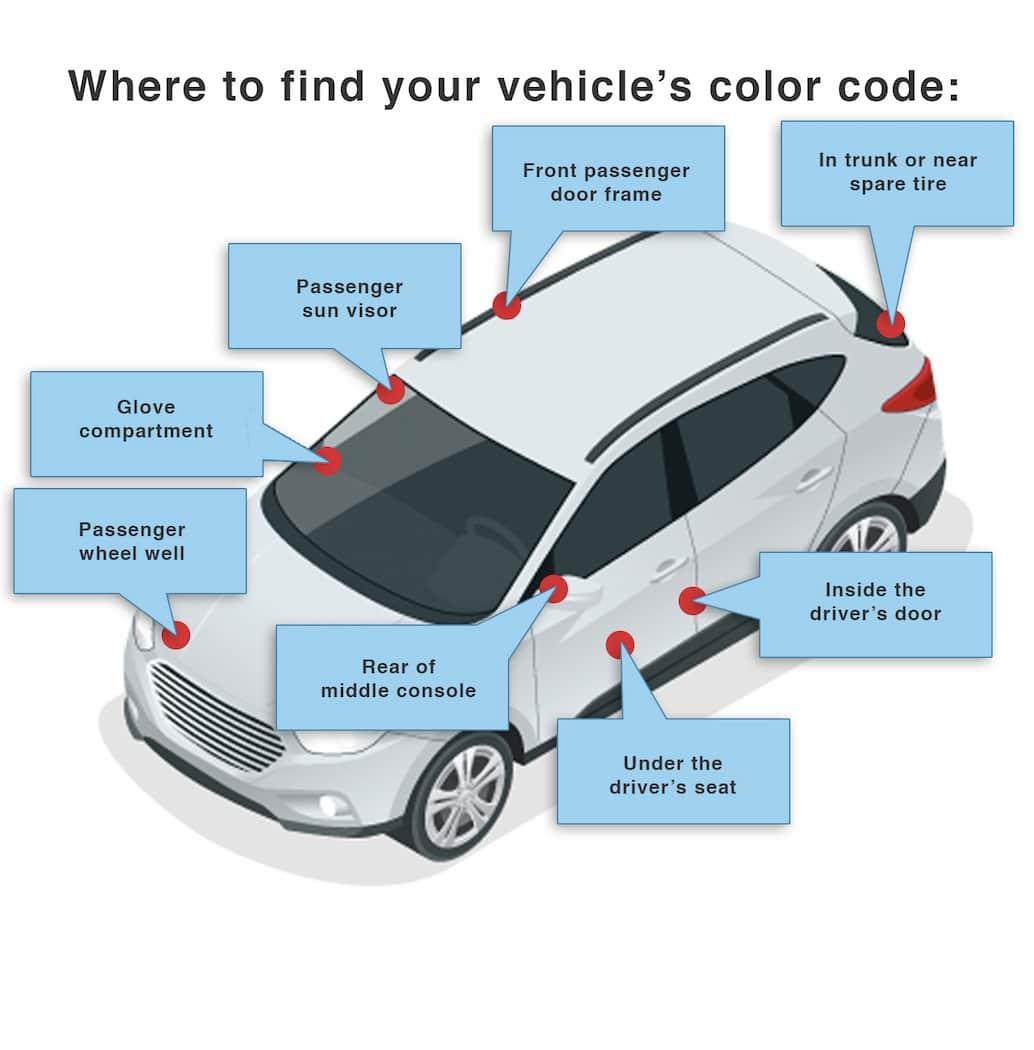
Find Your Chevrolet Astro Paint Code
Chevrolet did not make it easy to find the color code. Over the years they used many different locations and did not standardize the color plate, so it can be hard to locate. Usually it is in the glove box or the spare tire well; otherwise, the search may extend everywhere. The typical code is 51/WA316N, usually preceded by BC/CC. Two tone codes can appear as BC/CC U316N or BC/CC L316N (U for Upper, L for Lower).
Chevrolet Astro Paint Info
Chevrolet Astro Colors by Year
Let us know the year your Astro was manufactured. We'll eliminate colors that won't match your vehicle.
- 2005 (14 colors)
- 2004 (10 colors)
- 2003 (15 colors)
- 2002 (11 colors)
- 2001 (11 colors)
- 2000 (13 colors)
- 1999 (17 colors)
- 1998 (12 colors)
- 1997 (12 colors)
- 1996 (12 colors)
- 1995 (16 colors)
- 1994 (16 colors)
- 1993 (17 colors)
- 1992 (14 colors)
- 1991 (14 colors)
- 1988 (12 colors)
- 1987 (18 colors)
- 1986 (11 colors)