Pre-1996 Domestic and Foreign Vehicle Color Code Location Guide
How to Find Your Pre-1996 Vehicle Paint Color Code
Important: The only accurate way to order touch-up paint is to locate your vehicle's exact color code. Never rely on color names alone.
Why color codes matter for classic vehicles: Even vehicles with seemingly simple color options require code verification. For example, a 1995 Subaru might list only one white color, but you still need to verify the exact code. A 1995 F-Series could have numerous red variants that look identical on screen but appear very different in person. Always verify the exact code from your vehicle's identification plate.
Understanding Classic Vehicle Color Identification
All vehicles manufactured before 1996 carry a color identification plate located in various positions depending on the manufacturer and model. This plate contains the official paint color code used by the factory.
Key points for classic and older vehicles:
- We manufacture touch-up paint according to color codes, NOT color names
- If your vehicle color does not match the screen display but the code matches, you have the correct identification
- Color code locations vary significantly on pre-1996 vehicles - sometimes dramatically even within the same model
- Many codes are hidden (example: under trunk carpet near spare tire, behind seat cushions)
- Older vehicles may have faded or corroded identification plates - bring a flashlight and cleaner
Pre-1996 Vehicle Color Code Locations by Manufacturer
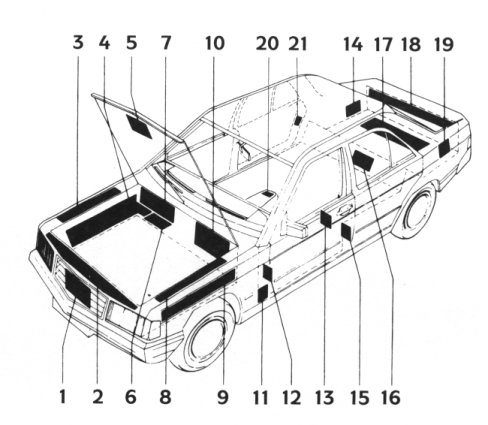
| Manufacturer | Location Number(s) |
|---|---|
| Acura | 15 |
| Alfa Romeo | 5, 18, 19 |
| AMC (American Motors Corporation) | 10, 11, 15 |
| Audi | 1, 2, 3, 7, 8, 10, 14, 17, 18 |
| BMC / Austin Rover | 2, 3, 7, 10 |
| BMW | 2, 3, 4, 7, 8 |
| Chrysler / Dodge / Plymouth / Jeep / Eagle | 2, 4, 5, 8, 9, 10 |
| Ford / Lincoln / Mercury | 15 |
| General Motors - Color Codes (Chevrolet, GMC, Buick, Cadillac, Pontiac, Oldsmobile, Saturn) | 2, 7, 10, 12 |
| General Motors - WA Numbers (Paint Code Format) | 16, 18, 19, 20, 21 |
| Honda | 3, 10, 15 |
| Hyundai | 7, 15 |
| Infiniti | 7, 10 |
| Isuzu | 2, 7, 10, 13, 15 |
| Jaguar | 2, 4, 5, 15 |
| Kia | 15 |
| Lexus | 15 |
| MGB / British Leyland | 2, 3, 4, 5, 7, 8, 10, 15 |
| Mazda | 2, 3, 4, 5, 7, 8, 10, 15 |
| Mercedes-Benz | 2, 3, 8, 10, 12, 15 |
| Mitsubishi | 2, 3, 7, 8, 10 |
| Nissan / Datsun | 2, 4, 5, 7, 8, 10, 15 |
| Porsche | 2, 7, 8, 12, 15 |
| Renault | 3, 4, 7, 8, 10, 16 |
| Rover | 2, 5 |
| Saab | 8, 10, 15, 17 |
| Saturn | 19 |
| Subaru / Fuji | 1, 2, 8 |
| Suzuki | 7, 11, 17 |
| Toyota | 3, 4, 7, 8, 10, 15, 17 |
| Triumph | 7, 10 |
| Volkswagen (VW) | 2, 3, 7, 8, 12 |
| Volvo | 1, 2, 3, 7, 8, 10, 11 |
| Yugo | 2, 3, 5, 18 |
| All Other Makes | Check all locations listed above |
Location Key - Pre-1996 Vehicles
- Strut Tower - Under hood
- Firewall - Engine compartment rear wall
- Inner Fender - Wheel well area
- Radiator Support - Front of engine bay
- Hood Underside - Inside of hood
- Cowl Panel - Base of windshield
- Driver's Door Jamb - Most common modern location
- Door Hinge Pillar - B-pillar area
- Passenger Door Jamb
- Trunk Lid - Inside or underside
- Trunk Interior - Side panels or floor
- Spare Tire Well - Often hidden under carpet
- Fuel Filler Door - Behind gas cap
- Glove Box - Inside or door
- Under Driver/Passenger Seat
- Rear Storage Compartment Lid
- Sun Visor - Behind visor
- Instrument Panel - Dashboard area
- Floor Behind Passenger Seat
- Floor Under Passenger Seat
- CD Storage Door / Console - Trunk area
Manufacturer-Specific Color Plate Examples
General Motors (Chevrolet, GMC, Buick, Cadillac, Pontiac, Oldsmobile, Saturn)
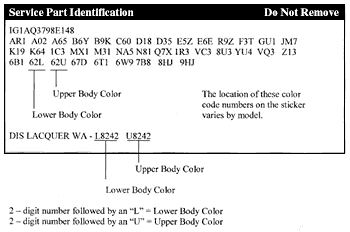
Look for "BC/CC" followed by the paint code, or "WA" number format (example: WA8624)
Note: GM used two different code formats in pre-1996 vehicles - traditional color codes and WA numbers. Check both format locations.
Chrysler / Dodge / Plymouth / Jeep / Eagle
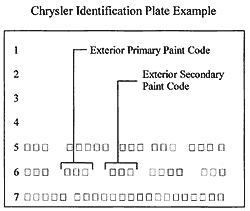
Paint code typically listed as "PNT" or "PAINT" followed by the code
Ford / Lincoln / Mercury - IMPORTANT NOTE
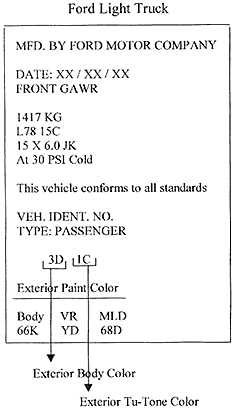
Critical Ford Color Code Location:
The color code is ABOVE the words "Exterior Paint Colors", not below!
This is especially important on pre-1996 Ford vehicles where the plate format can be confusing. Always look above the "Exterior Paint Colors" text for the actual code.
Honda and Acura - Special Instructions for Pre-1996 Models
Important Honda/Acura Factory Code Requirement:
Pre-1996 Honda and Acura vehicles require a factory code suffix in addition to the base color code.
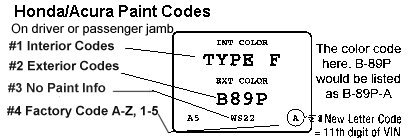
How to read Honda/Acura codes on older vehicles:
- Locate the base color code on the identification plate
- Find the factory code letter in the lower right-hand corner of the same tag
- Combine them for the complete code
Example: If your tag shows color code B-89P with factory code "A" in the lower right corner, the correct code to order is B-89P-A
Pre-1996 Honda/Acura factory codes: Usually only A, H, or L (limited to these three letters on older models)
Step-by-Step Instructions for Classic Vehicles
- Find your vehicle manufacturer in the table above
- Note ALL location numbers listed - pre-1996 vehicles have more varied locations than modern cars
- Gather tools: Flashlight, cleaning cloth, camera/phone for photos
- Check each location systematically - Don't give up after checking one or two spots
- Clean the plate if found - Older plates may be dirty, faded, or corroded
- Write down the exact color code from the plate (including any letters, numbers, or suffixes)
- Take a photo of the identification plate for your records
- For Honda/Acura: Include the factory code letter from the lower right corner
- For Ford: Ensure you're reading the code ABOVE "Exterior Paint Colors"
- For GM: Check both traditional code locations AND WA number locations
- Order touch-up paint using your verified color code
Special Tips for Classic and Pre-1996 Vehicles
- Bring multiple tools - Flashlight, mirror, cleaning supplies, screwdriver (to remove panels if needed)
- Check hidden areas thoroughly - Many pre-1996 vehicles have plates under carpeting, behind trim, or in wheel wells
- Look in unusual places - Behind seats, under sun visors, inside console lids
- Corrosion and fading - Older plates may be difficult to read; use bright light and magnification if needed
- Multiple repaints - If the vehicle has been repainted, the original plate may not match current color
- British and European cars - Often have codes in very different locations than American vehicles
- Import vehicles - May use different code formats (alpha-numeric vs. numeric only)
- Documentation - Take clear photos of any codes you find for future reference
- Verify with paint supplier - Some older codes may need cross-referencing
Common Pre-1996 Vehicle Brands and Code Locations
American Muscle Cars (1960s-1990s)
Chevrolet Camaro, Ford Mustang, Dodge Challenger: Check cowl tag, door jamb, and trunk lid. Muscle cars often have codes in the engine bay on radiator support or firewall.
Classic Japanese Imports
Datsun/Nissan Z-cars, Toyota Celica/Supra, Mazda RX-7: Firewall, door jamb, and under hood are most common. Import models may have Japanese characters on the plate.
European Classics
Mercedes-Benz, BMW, Volvo, VW: Check trunk lid, inside engine bay, and door jambs. European vehicles often have codes on chassis plates with VIN information.
Discontinued American Brands
AMC, Plymouth, Oldsmobile, Eagle: Similar locations to Chrysler or GM depending on parent company. Check firewall, door jamb, and glove box.
Frequently Asked Questions - Pre-1996 Vehicles
Can I order by color name instead of code for older vehicles?
No. This is even more critical for pre-1996 vehicles. Color names were less standardized, and multiple different shades often shared similar names. Always use the exact color code.
What if my vehicle has been repainted?
The original color code plate will still show the factory color, not the current color. If your vehicle has been repainted and you want to match the current color, you may need a professional color match service.
What if the color plate is missing or illegible?
For classic vehicles, the plate may have been lost during restoration or due to corrosion. Options include:
- Check vehicle documentation or build sheets
- Contact manufacturer archives (some keep records)
- Use professional color matching services
- Check classic car forums for your specific model
Are there different code formats for pre-1996 vehicles?
Yes. Older vehicles used various formats:
- GM: Both traditional codes (2-4 digits/letters) and WA numbers
- Ford: 1-2 letter/number combinations
- Chrysler: 2-3 character alphanumeric codes
- Import brands: Various formats, sometimes with Japanese or European characters
Why are there so many more location options for pre-1996 vehicles?
Before 1996, there was less standardization in the automotive industry. Each manufacturer - and sometimes each model - had different preferred locations for identification plates. Modern regulations have standardized many aspects of vehicle labeling.
My vehicle is from the 1960s-1970s. Will this guide work?
Yes, but older vehicles may require more patience. Plates on vehicles from this era may be:
- Severely corroded or faded
- Located in unusual positions
- Removed during restoration
- Using outdated code formats