


Jeep Liberty Touch Up Paint (74 OEM Colors)
Search for your Liberty's color
-

Modern Blue Effect
JeepCOLOR CODEPBL -
Modern Blue Effect -
Dark Khaki Metallic
JeepCOLOR CODEPJT -
Dark Khaki Metallic -

Blaze Red Crystal Pearl
JeepCOLOR CODEPRH -
Blaze Red Crystal Pearl -

Deep Molten Red Pearl
JeepCOLOR CODER8/
BR8 - Deep Molten Red Pearl -

Vermelho Tribal Metallic
JeepCOLOR CODERA/
809 - Vermelho Tribal Metallic -

Inferno Red Crystal Pearl
JeepCOLOR CODERJ/
ARJ - Inferno Red Crystal Pearl -
Dark Garnet Red Pearl
JeepCOLOR CODERV/
XRV - Dark Garnet Red Pearl -

Blazing Saddle Pearl
JeepCOLOR CODEUS/
JUS - Blazing Saddle Pearl -

Blade Silver Metallic (Wheel)
JeepCOLOR CODEZDJ-
W - Blade Silver Metallic (Wheel) -

Graphite Metallic (Wheel Color)
JeepCOLOR CODEZDR-
W - Graphite Metallic (Wheel Color)
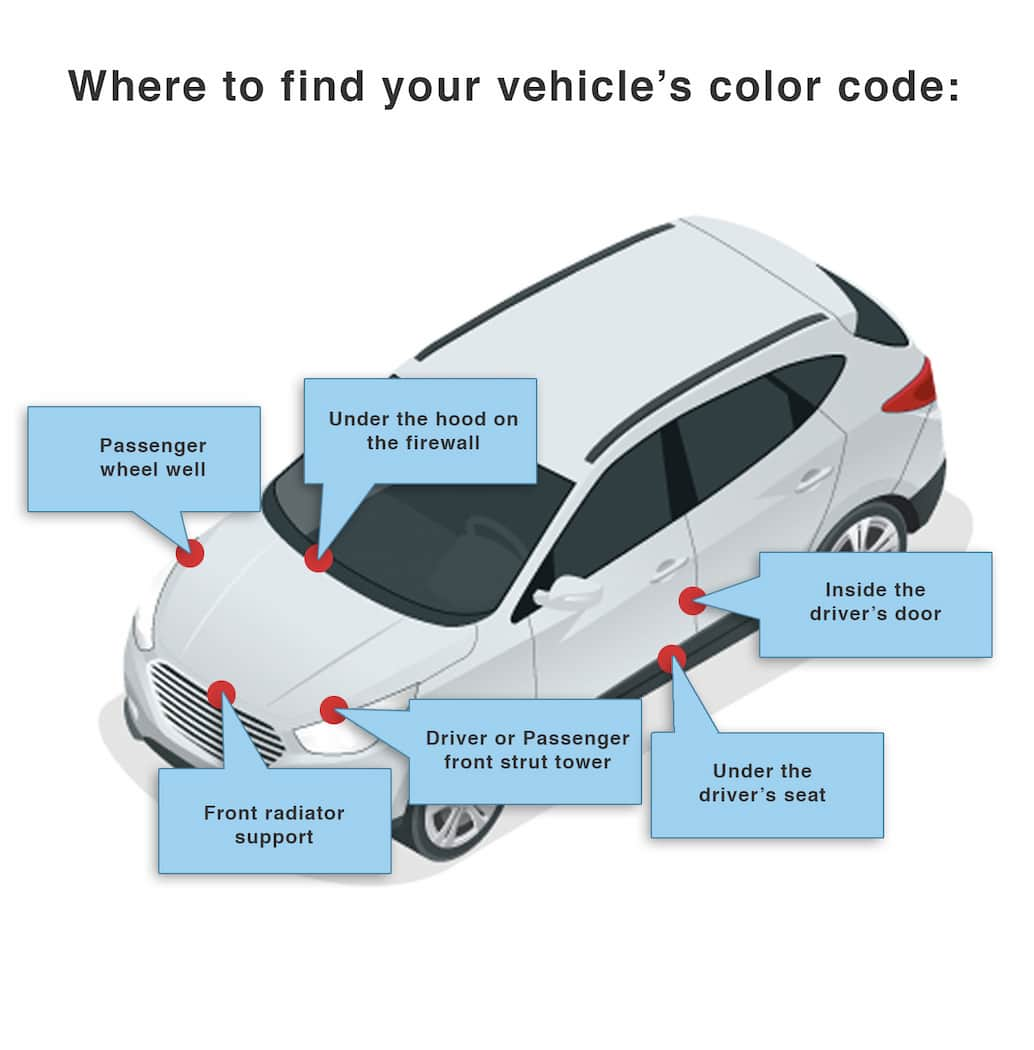
Find Your Jeep Liberty Paint Code
Jeep codes are difficult to find. In the good old days, they hid them on top of the radiator support, under engine grease and oil. Later models put them on the drivers door jamb. Typical format: BS/GBS; only BS is the color code (also QBS, PBS, TBS, etc.). The first letter is a "Year Code". BS corresponds to Deep Water Blue Pearl Clearcoat; the G in GBS is not part of the color code. Lately, Jeep lists just BS.
Jeep Liberty Paint Info
Jeep Liberty Colors by Year
Let us know the year your Liberty was manufactured. We'll eliminate colors that won't match your vehicle.