Mitsubishi Two-Tone Paint Info
The Color Breakdown
Mitsubishi didn't just give us a color palette; they gave us a full-blown wardrobe. With 19 recorded two-tone combinations, they really leaned into the "double-layered" look. Whether you're rocking the moody Graphite Gray / Medium Gray (H43/H39), the punchy Red / Gray (R52/H43), or the sleek Blue / Silver (B76/B80), it's clear that one color just wasn't enough. They really went for it, offering everything from subtle "50 shades of grey" transitions to high-contrast looks that make the car pop in a parking lot.
What to Watch For
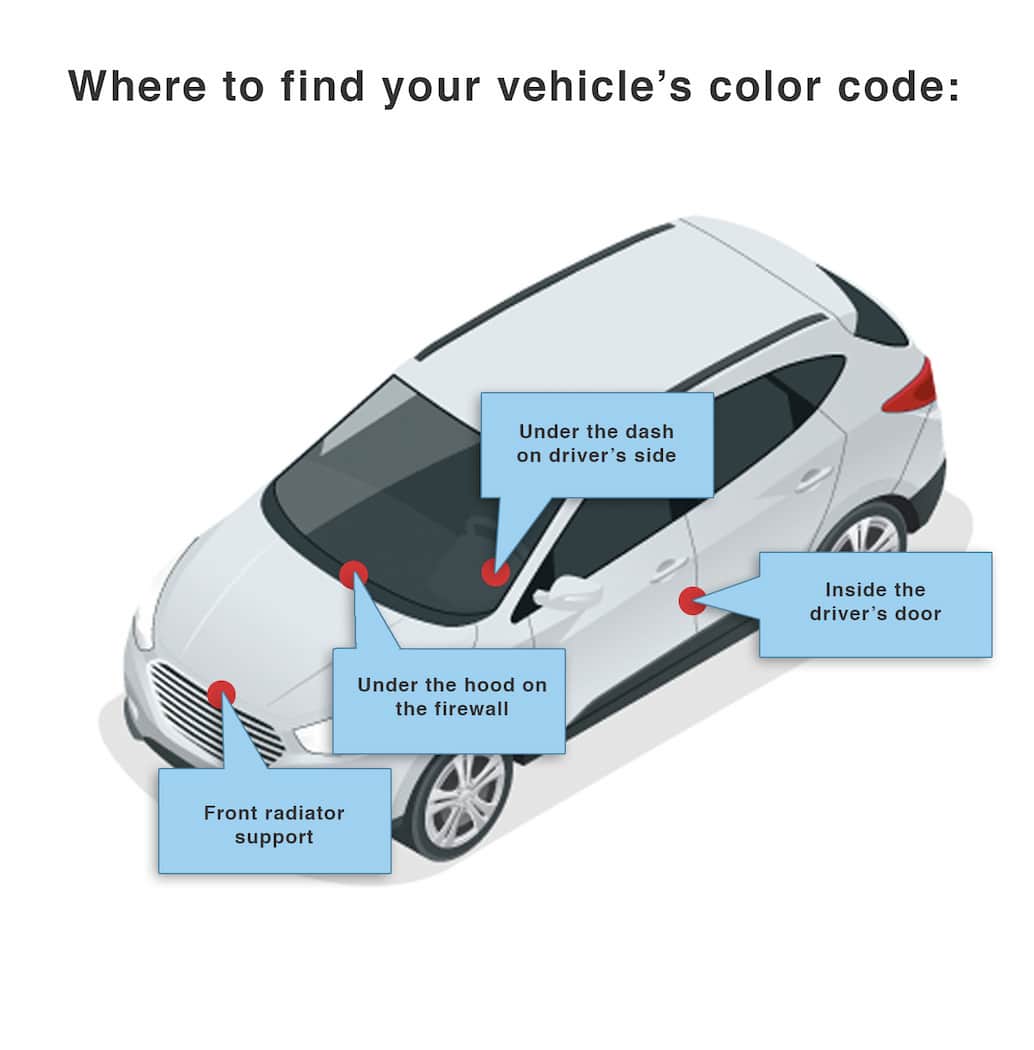
First things first: finding your code. Mitsubishi likes to play hide-and-seek. Check the firewall (the metal wall behind the engine) or the driver's side door jamb. You're looking for a three-digit code, but since you have a two-tone, you might see a "combo" code that represents the pair. Now, for the honest truth: Mitsubishi paint is known for being a bit on the thin side. You might notice "road rash" or small chips along the rocker panels and the rear fenders where debris likes to kick up. Also, keep an eye on horizontal surfaces like the roof; the clear coat can get a little "sun-tired" over time, so catch those chips before they start to flake.
Driveway Repair Tip
Since most of these two-tone combinations involve metallic or pearl flakes-like those found in H43 or B76-your best friend is a vigorous shake. Shake that touch-up bottle for at least 60 seconds (set a timer, your arm will thank you) to wake up the metallic particles. When you apply the paint with the brush or pen, don't try to fill the whole chip in one go. If you're working on the "transition line" where the two colors meet, use a bit of painter's tape to keep your lines crisp. Applying two or three thin layers requires patience, but it prevents the "blob" look and ensures the sparkles sit exactly where they should.