


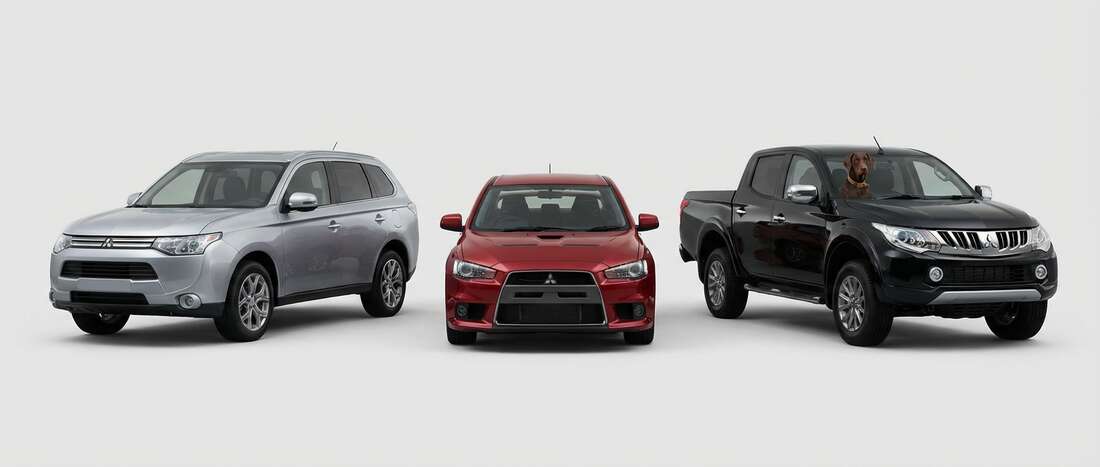
2010 Mitsubishi Touch Up Paint (24 OEM Colors)
Search for your color
-

Diamond White Pearl Tricoat
MitsubishiCOLOR CODEW13 -
Diamond White Pearl Tricoat 🔥 7 sold recently -

Quartz Brown Metallic
MitsubishiCOLOR CODEC06 -
Quartz Brown Metallic 🔥 5 sold recently -
Rally Red Metallic
MitsubishiCOLOR CODEP26 -
Rally Red Metallic 🔥 2 sold recently -

Innsbruck White
MitsubishiCOLOR CODEW37 -
Innsbruck White 🔥 2 sold recently -

White Pearl Tricoat
MitsubishiCOLOR CODEW55 -
White Pearl Tricoat 🔥 2 sold recently -

Kalapana Black
MitsubishiCOLOR CODEX13 -
Kalapana Black 🔥 2 sold recently -

Labrador Black Pearl
MitsubishiCOLOR CODEX42 -
Labrador Black Pearl 🔥 2 sold recently -

Cool Silver Metallic
MitsubishiCOLOR CODEA31 -
Cool Silver Metallic 🔥 1 sold recently -

Effect Gray Pearl Metallic
MitsubishiCOLOR CODEA39 -
Effect Gray Pearl Metallic 🔥 1 sold recently -

Satin Meisai Pearl
MitsubishiCOLOR CODEA 88 -
Satin Meisai Pearl 🔥 1 sold recently -
Dark Blue Pearl
MitsubishiCOLOR CODED14 -
Dark Blue Pearl 🔥 1 sold recently -

Sunset Pearlescent
MitsubishiCOLOR CODEM03 -
Sunset Pearlescent 🔥 1 sold recently -

Rave Red Metallic
MitsubishiCOLOR CODEP36 -
Rave Red Metallic 🔥 1 sold recently -

Phantom Black Pearl
MitsubishiCOLOR CODEU02 -
Phantom Black Pearl 🔥 1 sold recently -

Quick Silver Pearl
MitsubishiCOLOR CODEU04 -
Quick Silver Pearl 🔥 1 sold recently -

Northstar White
MitsubishiCOLOR CODEW12 -
Northstar White 🔥 1 sold recently

For small chips & scratches
Customized Color Paint Pen
Repair tiny chips and scratches with precision. Perfect for small nicks from rocks or door dings, the fine tip applicator makes it easy for beginners to achieve a clean, factory-quality finish.

For Medium-sized Chips & Scratches
Customized Color Paint Bottle
Tackle medium-sized scratches and chips with our Customized Color Paint Bottle. The built-in applicator brush provides smooth, controlled coverage, while the included basecoat delivers a perfect factory match in your custom paint color.

For larger areas & panel resprays
Customized Color Spray Can
Cover larger areas with a smooth, professional finish using ourcustomized color Spray Can. Designed for hoods, fenders, and larger scratches, this product provides consistent spray coverage and factory-matched color accuracy.

For large repairs & total resprays
Customized Color Professional Size Paint
When your repair job calls for more than a touch-up, step up to our professional-size automotive paints. Available in Pint, Quart, or Gallon sizes, these paints are ready-to-spray using an airless spray gun.

For small chips & scratches
Customized Color Tricoat Paint Pens
Repair tiny chips and scratches with precision. Perfect for small nicks from rocks or door dings, the fine tip applicator makes it easy for beginners to achieve a clean, factory-quality finish. Each order includes a basecoat and a midcoat pen.

For Medium-sized Chips & Scratches
Customized Color Tricoat Paint Bottles
Tackle medium-sized scratches and chips with our Customized Color Paint Bottles. The built-in applicator brush provides smooth, controlled coverage, while the basecoat & midcoat deliver a perfect factory match in your custom paint color.

For larger areas & panel resprays
Customized Color Tricoat Spray Cans
Cover larger areas with a smooth, professional finish using our customized color basecoat & midcoat Spray Cans. Designed for hoods, fenders, and larger scratches, this product provides consistent spray coverage and factory-matched color accuracy.
For large repairs & total resprays
Customized Color Tricoat Professional Size Paint
When your repair job calls for more than a touch-up, step up to our professional-size automotive paints. Available in Pint, Quart, or Gallon sizes, these paints are ready-to-spray using an airless spray gun. Each order includes a basecoat & a midcoat paint.
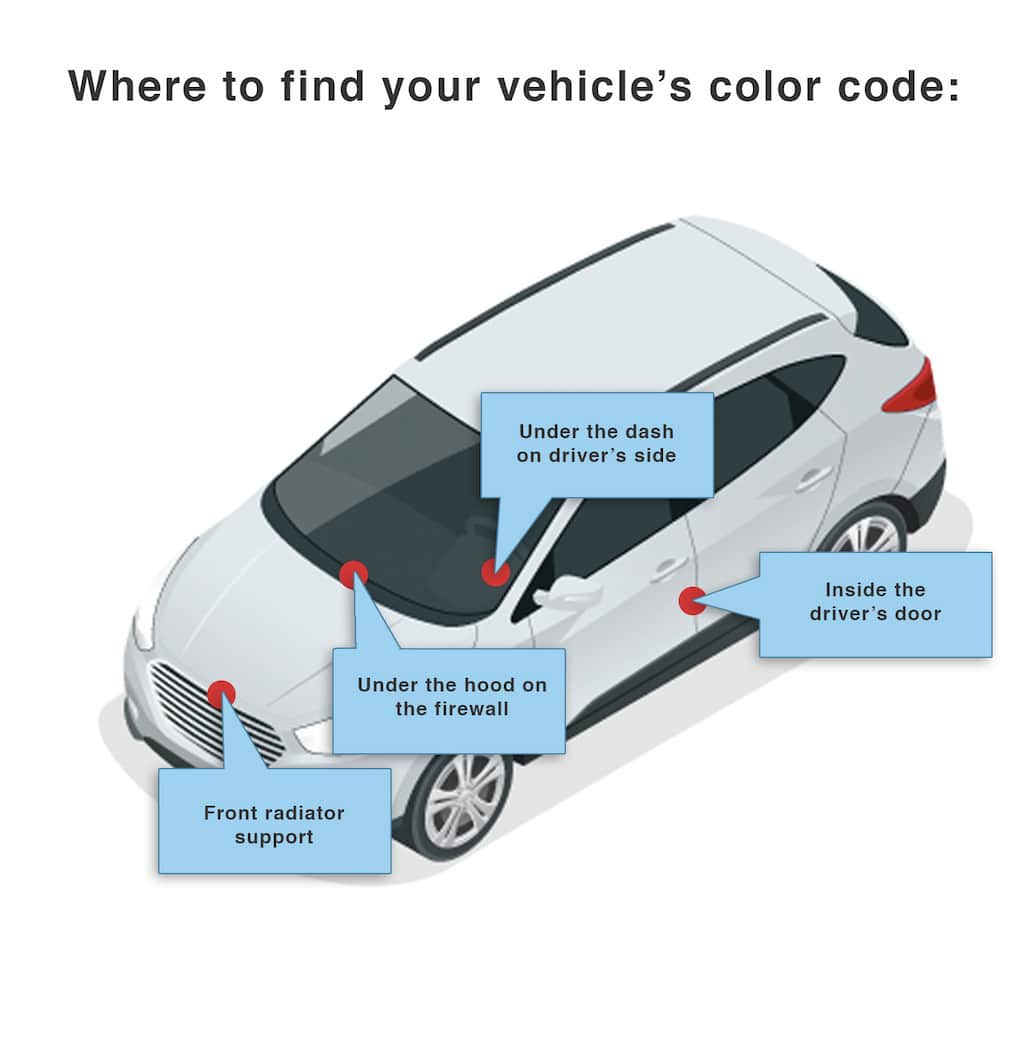
Find Your 2010 Mitsubishi Paint Code
Mitsubishi paint codes are on a tag in the firewall area of the car, not on an exterior panel. The color code sits at the bottom mid-left part of that tag. Codes include letters, dashes, and numbers. The code R71 corresponds to Passion Red Clearcoat. R71 may be called Passion Red Clearcoat on some models. R71 may be called Red Clearcoat or Speed Red Clearcoat on others. Model marketing names can vary even for the same code.
2010 Mitsubishi Background Info
Mitsubishi Models Released in 2010
- Eclipse (8 colors)
- Eclipse Spyder (8 colors)
- Endeavor (5 colors)
- Galant (8 colors)
- Lancer (8 colors)
- Lancer Evolution (7 colors)
- Outlander (7 colors)