


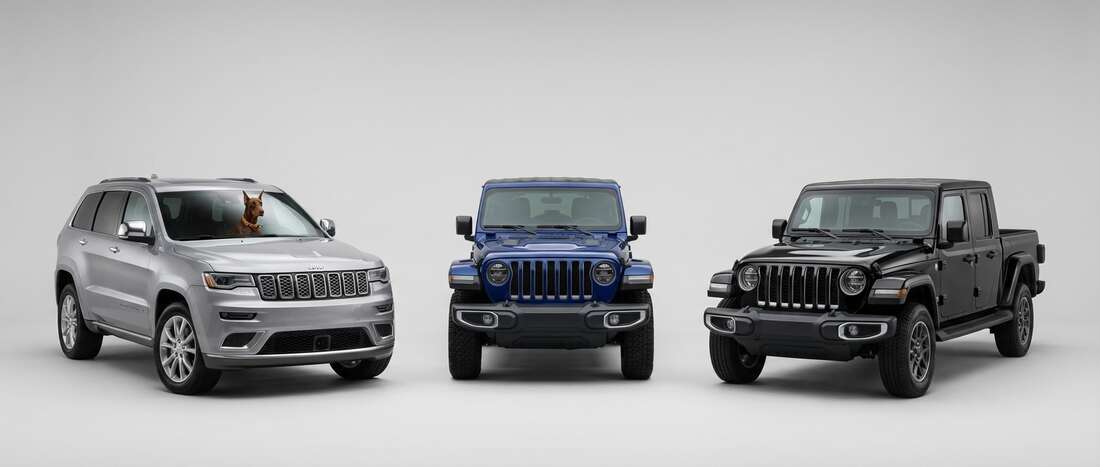
2013 Jeep Touch Up Paint (28 OEM Colors)
Search for your color
-
Bright White
JeepCOLOR CODEW7/
GW7 - Bright White 🔥 23 sold recently -

Jet Black (Hard top color)
JeepCOLOR CODERXF -
Jet Black (Hard top color) 🔥 7 sold recently -

True Blue Pearl
JeepCOLOR CODEBU/
KBU - True Blue Pearl 🔥 5 sold recently -

Deep Cherry
JeepCOLOR CODERP/
JRP - Deep Cherry 🔥 5 sold recently -

Black Crystal
JeepCOLOR CODEX8/
DX8 - Black Crystal 🔥 5 sold recently -
Winter Chill Pearl
JeepCOLOR CODEBA/
JBA - Winter Chill Pearl 🔥 4 sold recently -
Billet Silver Metallic
JeepCOLOR CODESC/
JSC - Billet Silver Metallic 🔥 4 sold recently -

Tech Silver Metallic (Wheel)
JeepCOLOR CODEGSA-
W - Tech Silver Metallic (Wheel) 🔥 2 sold recently -

Dune
JeepCOLOR CODETT/
LTT - Dune 🔥 2 sold recently -

Maximum Steel Metallic
JeepCOLOR CODEAR/
KAR - Maximum Steel Metallic 🔥 1 sold recently -

Mineral Gray Metallic
JeepCOLOR CODEDM/
CDM - Mineral Gray Metallic 🔥 1 sold recently -
Anvil
JeepCOLOR CODEDS/
LDS - Anvil 🔥 1 sold recently -

Black Crystal (Wheel)
JeepCOLOR CODEDX8 -
W - Black Crystal (Wheel) 🔥 1 sold recently -

Gecko
JeepCOLOR CODEFM/
KFM - Gecko 🔥 1 sold recently -

Black Forest Green Pearl
JeepCOLOR CODEGZ/
KGZ - Black Forest Green Pearl 🔥 1 sold recently -

Rock Lobster
JeepCOLOR CODEKT/
LKT - Rock Lobster 🔥 1 sold recently

For small chips & scratches
Customized Color Paint Pen
Repair tiny chips and scratches with precision. Perfect for small nicks from rocks or door dings, the fine tip applicator makes it easy for beginners to achieve a clean, factory-quality finish.

For Medium-sized Chips & Scratches
Customized Color Paint Bottle
Tackle medium-sized scratches and chips with our Customized Color Paint Bottle. The built-in applicator brush provides smooth, controlled coverage, while the included basecoat delivers a perfect factory match in your custom paint color.

For larger areas & panel resprays
Customized Color Spray Can
Cover larger areas with a smooth, professional finish using ourcustomized color Spray Can. Designed for hoods, fenders, and larger scratches, this product provides consistent spray coverage and factory-matched color accuracy.

For large repairs & total resprays
Customized Color Professional Size Paint
When your repair job calls for more than a touch-up, step up to our professional-size automotive paints. Available in Pint, Quart, or Gallon sizes, these paints are ready-to-spray using an airless spray gun.

For small chips & scratches
Customized Color Tricoat Paint Pens
Repair tiny chips and scratches with precision. Perfect for small nicks from rocks or door dings, the fine tip applicator makes it easy for beginners to achieve a clean, factory-quality finish. Each order includes a basecoat and a midcoat pen.

For Medium-sized Chips & Scratches
Customized Color Tricoat Paint Bottles
Tackle medium-sized scratches and chips with our Customized Color Paint Bottles. The built-in applicator brush provides smooth, controlled coverage, while the basecoat & midcoat deliver a perfect factory match in your custom paint color.

For larger areas & panel resprays
Customized Color Tricoat Spray Cans
Cover larger areas with a smooth, professional finish using our customized color basecoat & midcoat Spray Cans. Designed for hoods, fenders, and larger scratches, this product provides consistent spray coverage and factory-matched color accuracy.
For large repairs & total resprays
Customized Color Tricoat Professional Size Paint
When your repair job calls for more than a touch-up, step up to our professional-size automotive paints. Available in Pint, Quart, or Gallon sizes, these paints are ready-to-spray using an airless spray gun. Each order includes a basecoat & a midcoat paint.
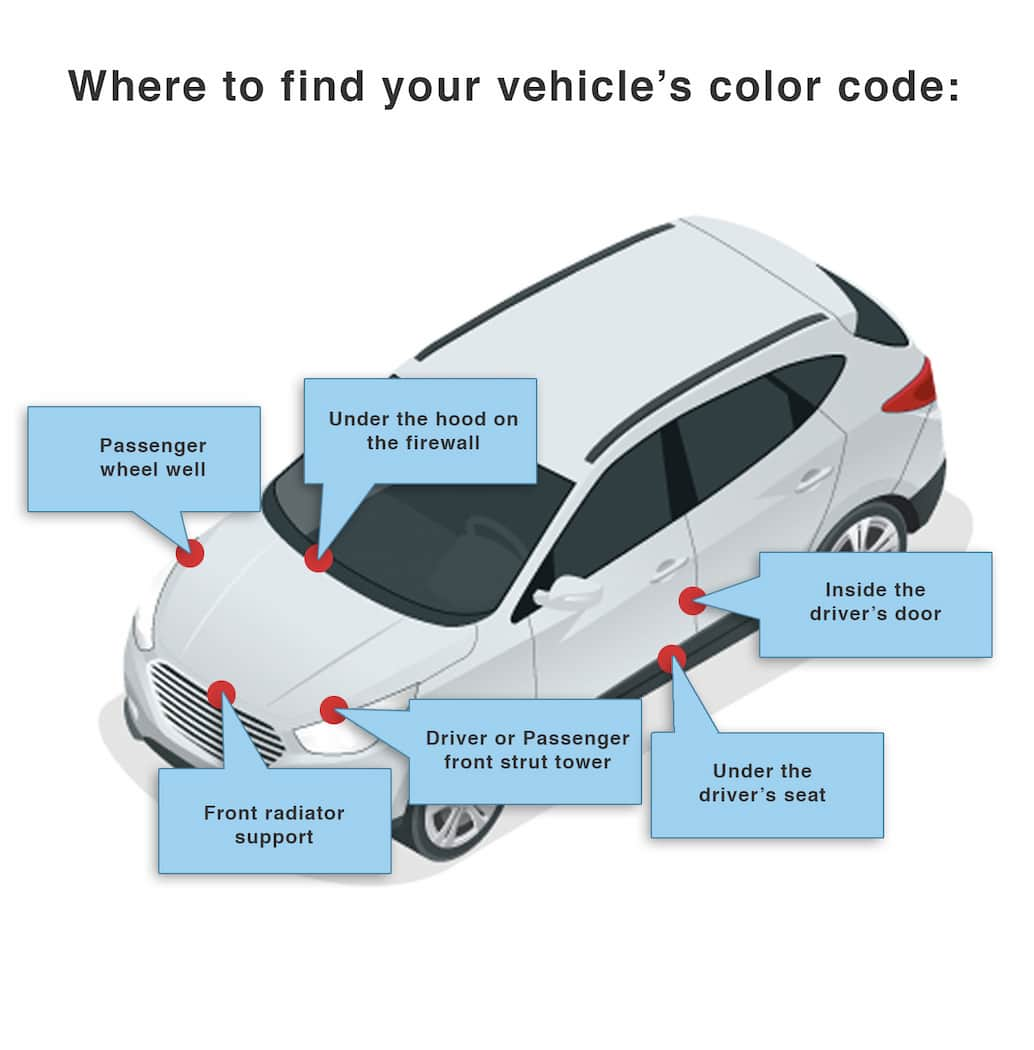
Find Your 2013 Jeep Paint Code
Jeep codes are difficult to find. In the good old days, they hid them on top of the radiator support, under engine grease and oil. Later models put them on the drivers door jamb. Typical format: BS/GBS; only BS is the color code (also QBS, PBS, TBS, etc.). The first letter is a "Year Code". BS corresponds to Deep Water Blue Pearl Clearcoat; the G in GBS is not part of the color code. Lately, Jeep lists just BS.
2013 Jeep Background Info
Jeep Models Released in 2013
- Compass (13 colors)
- Grand Cherokee (14 colors)
- Patriot (12 colors)
- Wrangler (19 colors)