


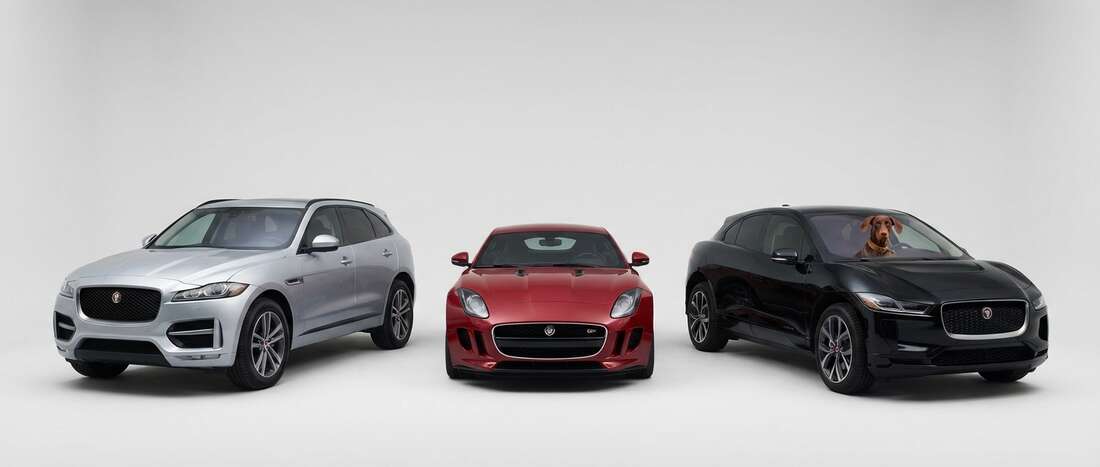
1998 Jaguar Touch Up Paint (17 OEM Colors)
Search for your color
-

British Racing Green
JaguarCOLOR CODE753/
HFB 1753/ HGD - British Racing Green 🔥 1 sold recently -
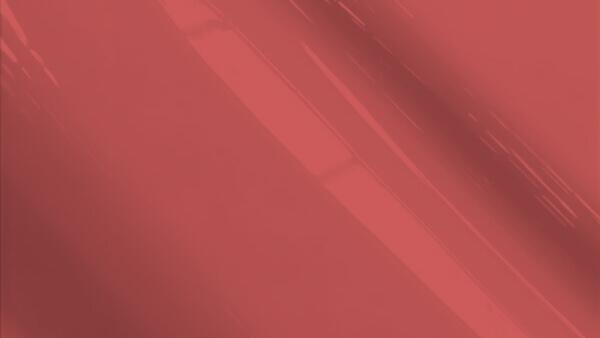
Carnival Red Pearl
JaguarCOLOR CODE811/
CFS 1811/ CGG - Carnival Red Pearl 🔥 1 sold recently -

Antigua Metallic
JaguarCOLOR CODE840/
JGZ 1840/ JHH - Antigua Metallic 🔥 1 sold recently -

Amaranth Pearl
JaguarCOLOR CODE862/
KDJ 1862/ KDK - Amaranth Pearl 🔥 1 sold recently -
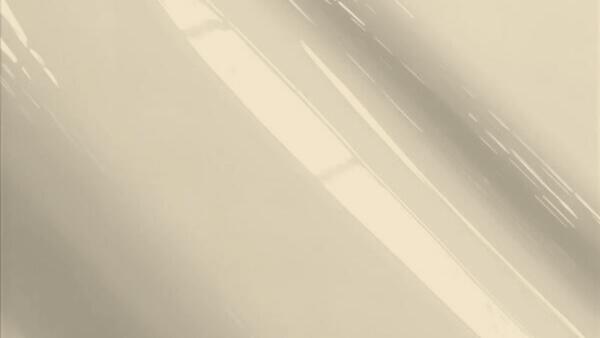
Topaz Metallic
JaguarCOLOR CODE1820/
SEC - Topaz Metallic 🔥 1 sold recently -
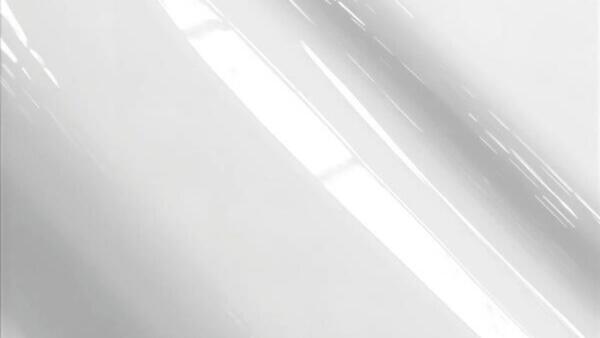
Spindrift White
JaguarCOLOR CODE732/
NDM 1732/ NDE - Spindrift White -

Sapphire Metallic
JaguarCOLOR CODE806/
JGE 1806/ JHE - Sapphire Metallic -

Titanium Pearl
JaguarCOLOR CODE810/
LFA 1810/ LGL - Titanium Pearl -

Topaz Pearl Metallic
JaguarCOLOR CODE820/
SDN 1820/ SDC - Topaz Pearl Metallic -

Spruce Green Pearl
JaguarCOLOR CODE823/
HFL 1823/ HGL - Spruce Green Pearl -

Aquamarine Metallic
JaguarCOLOR CODE839/
JGY 1839/ JHF - Aquamarine Metallic -

Anthracite Metallic
JaguarCOLOR CODE859/
PDX 1859/ PDD - Anthracite Metallic -

Seafrost Pearl
JaguarCOLOR CODE860/
MDS 1860/ MDV - Seafrost Pearl -

Mistral Metallic
JaguarCOLOR CODE861/
JHA 1861/ JHJ - Mistral Metallic -

Madeira Pearl
JaguarCOLOR CODE881/
CGF 1881/ CGH - Madeira Pearl -

Meteorite Pearl Metallic
JaguarCOLOR CODE911/
MDT 1911/ MDX - Meteorite Pearl Metallic

For small chips & scratches
Customized Color Paint Pen
Repair tiny chips and scratches with precision. Perfect for small nicks from rocks or door dings, the fine tip applicator makes it easy for beginners to achieve a clean, factory-quality finish.

For Medium-sized Chips & Scratches
Customized Color Paint Bottle
Tackle medium-sized scratches and chips with our Customized Color Paint Bottle. The built-in applicator brush provides smooth, controlled coverage, while the included basecoat delivers a perfect factory match in your custom paint color.

For larger areas & panel resprays
Customized Color Spray Can
Cover larger areas with a smooth, professional finish using ourcustomized color Spray Can. Designed for hoods, fenders, and larger scratches, this product provides consistent spray coverage and factory-matched color accuracy.

For large repairs & total resprays
Customized Color Professional Size Paint
When your repair job calls for more than a touch-up, step up to our professional-size automotive paints. Available in Pint, Quart, or Gallon sizes, these paints are ready-to-spray using an airless spray gun.

For small chips & scratches
Customized Color Tricoat Paint Pens
Repair tiny chips and scratches with precision. Perfect for small nicks from rocks or door dings, the fine tip applicator makes it easy for beginners to achieve a clean, factory-quality finish. Each order includes a basecoat and a midcoat pen.

For Medium-sized Chips & Scratches
Customized Color Tricoat Paint Bottles
Tackle medium-sized scratches and chips with our Customized Color Paint Bottles. The built-in applicator brush provides smooth, controlled coverage, while the basecoat & midcoat deliver a perfect factory match in your custom paint color.

For larger areas & panel resprays
Customized Color Tricoat Spray Cans
Cover larger areas with a smooth, professional finish using our customized color basecoat & midcoat Spray Cans. Designed for hoods, fenders, and larger scratches, this product provides consistent spray coverage and factory-matched color accuracy.
For large repairs & total resprays
Customized Color Tricoat Professional Size Paint
When your repair job calls for more than a touch-up, step up to our professional-size automotive paints. Available in Pint, Quart, or Gallon sizes, these paints are ready-to-spray using an airless spray gun. Each order includes a basecoat & a midcoat paint.
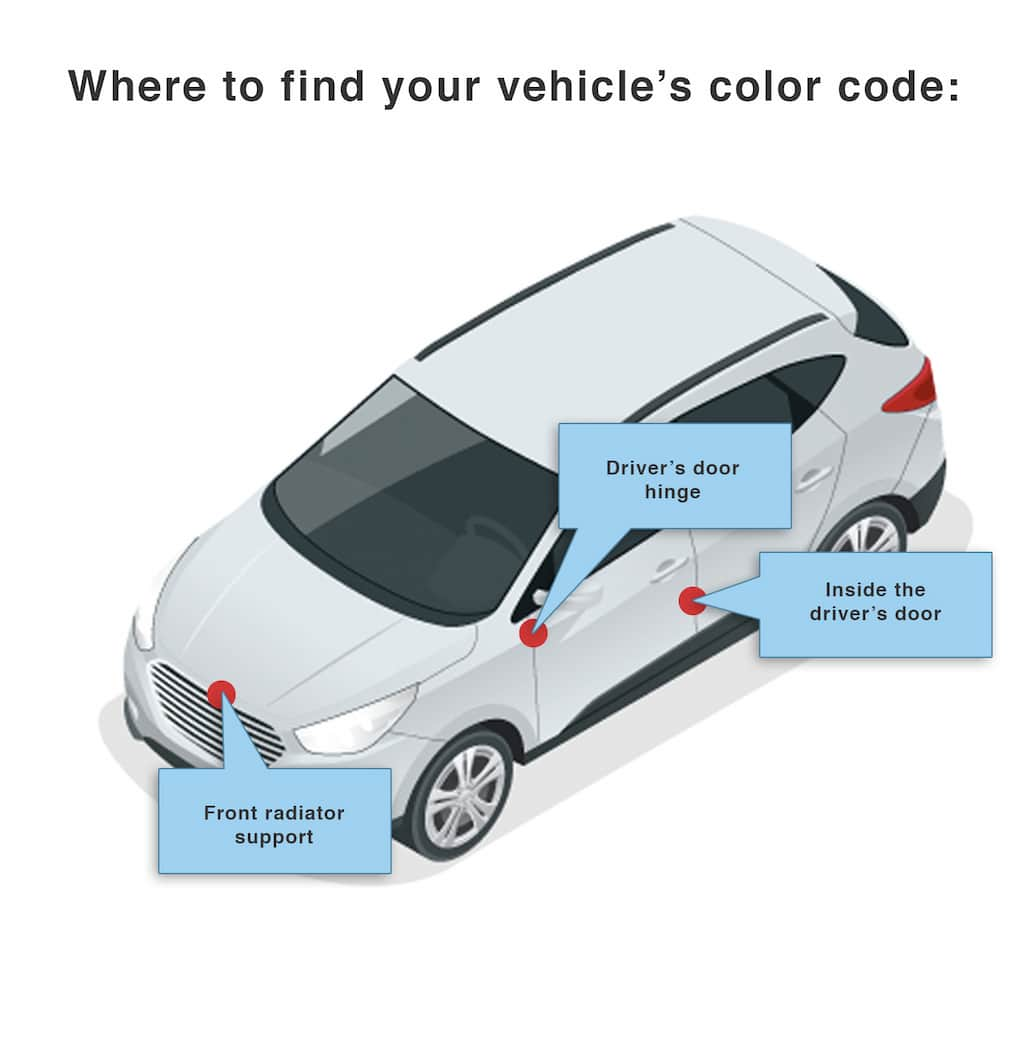
Find Your 1998 Jaguar Paint Code
Jaguar paint color codes are usually on the drivers door jamb. On older Jaguar models, the color code can be ANYWHERE! Under the hood, in the trunk. Typical format: 1957/HGZ, which corresponds to Jaguar Racing Green Pearl. Some Jaguars will have the 1957 code but most will only show the HGZ code. Same color across models may have different names: Racing Clearcoat, Green Performance Clearcoat, etc. It's the same paint!
1998 Jaguar Background Info
Jaguar Models Released in 1998
- All Models (17 colors)