


Ford Truck Touch Up Paint (280 OEM Colors)
Search for your Truck's color
-

Boxwood Green
FordCOLOR CODEK
(1973) - Boxwood Green 🔥 3 sold recently -

Tropical Tourquoise
FordCOLOR CODEO
(1965) - Tropical Tourquoise 🔥 3 sold recently -

Limestone Green Metallic
FordCOLOR CODEU-
TRUCK (1974) - Limestone Green Metallic 🔥 3 sold recently -
Smoke Metallic
FordCOLOR CODE1D/
6044 - Smoke Metallic 🔥 2 sold recently -
Light Smoke Metallic
FordCOLOR CODE1G/
6214 - Light Smoke Metallic 🔥 2 sold recently -

Poppy Red
FordCOLOR CODE3
(1965) - Poppy Red 🔥 2 sold recently -

Light Harbor Blue Metallic
FordCOLOR CODE3J/
5918 - Light Harbor Blue Metallic 🔥 2 sold recently -

Medium Brite Blue Metallic
FordCOLOR CODE3P/
5783 - Medium Brite Blue Metallic 🔥 2 sold recently -

Dark Spruce Green Metallic
FordCOLOR CODE4J/
5731 - Dark Spruce Green Metallic 🔥 2 sold recently -

Bright Regatta Blue Metallic
FordCOLOR CODE7H/
5979 - Bright Regatta Blue Metallic 🔥 2 sold recently -
Medium Dark Fire Red
FordCOLOR CODE51/
5945 - Medium Dark Fire Red 🔥 2 sold recently -
White (Interior)
FordCOLOR CODE5767 -
White (Interior) 🔥 2 sold recently -

Wind Blue
FordCOLOR CODEB
(1973) - Wind Blue 🔥 2 sold recently -

Caribbean Turquoise
FordCOLOR CODEB-
TRUCK (1966) - Caribbean Turquoise 🔥 2 sold recently -

Wind Blue
FordCOLOR CODEB-
TRUCK (1974) - Wind Blue 🔥 2 sold recently -

Seapine Green Irid
FordCOLOR CODEH_
(1973) - Seapine Green Irid 🔥 2 sold recently
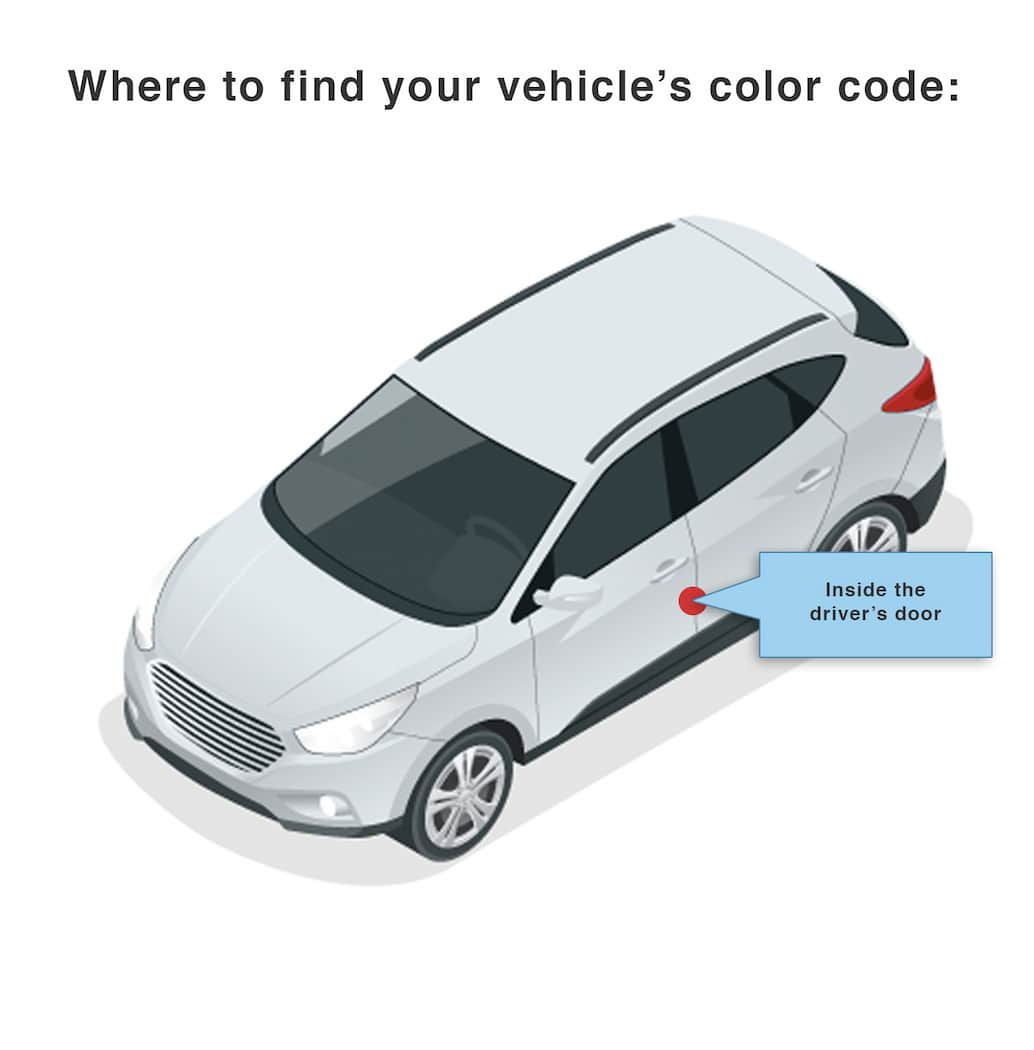
Find Your Ford Truck Paint Code
Ford paint color codes are on the drivers door jamb, on the color plate. The typical format is PM/M6599, though usually only PM appears. Example: PM corresponds to Bright Calypso Metallic Clearcoat PM/M6599; it may appear as PM Bright Calypso Metallic Clearcoat. Plates may show Exterior Paint Colors or EX PT; sometimes the color is embossed mid-plate. WB is wheelbase; above Wheel Base is EXT PNT, and to the right of EXT PNT is the code. Many mistake LX3 as the code.
Ford Truck Paint Info
Ford Truck Colors by Year
Let us know the year your Truck was manufactured. We'll eliminate colors that won't match your vehicle.