


1962 Dodge Touch Up Paint (30 OEM Colors)
Search for your color
-

Flax
DodgeCOLOR CODEAA-
1 (1962) - Flax -

Onyx
DodgeCOLOR CODEBB-
1 (1962) - Onyx -

Powder Blue
DodgeCOLOR CODECC-
1 (1962) - Powder Blue -
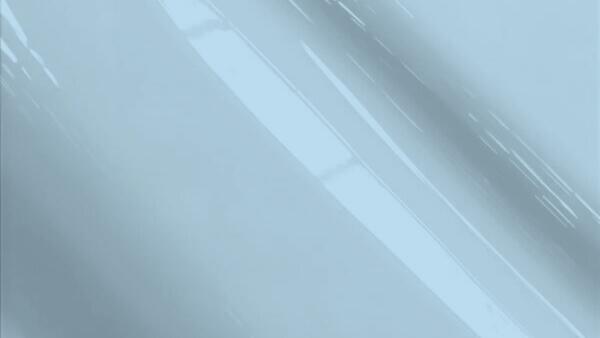
Medium Blue Poly
DodgeCOLOR CODEDD-
1 (1962) - Medium Blue Poly -

Cobalt Blue Poly
DodgeCOLOR CODEEE-
1 (1962) - Cobalt Blue Poly -
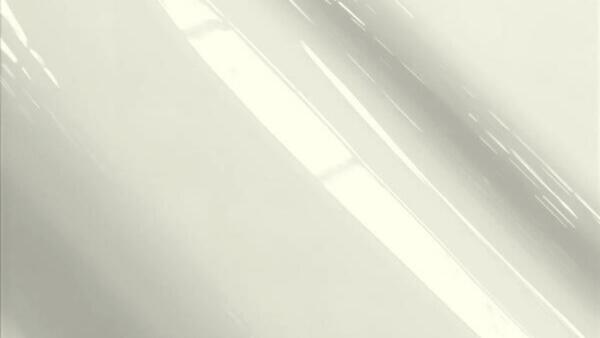
Light Green
DodgeCOLOR CODEFF-
1 (1962) - Light Green -
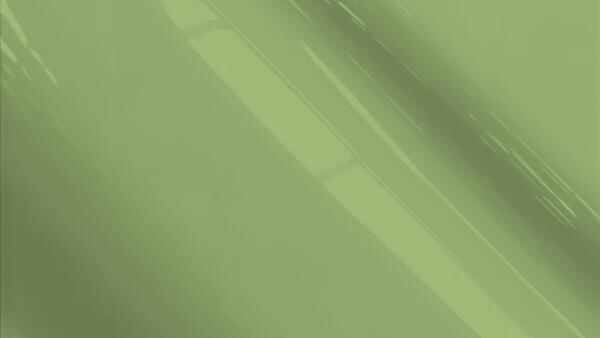
Glade Green Poly
DodgeCOLOR CODEGG-
1 (1962) - Glade Green Poly -

Metallic Emerald Poly
DodgeCOLOR CODEHH-
1 (1962) - Metallic Emerald Poly -

Pearl Gray
DodgeCOLOR CODEMM-
1 (1962) - Pearl Gray -
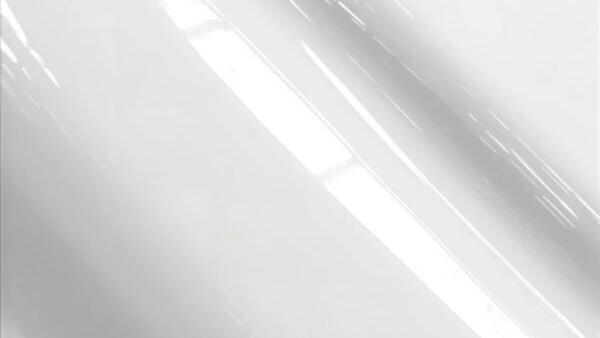
Dusty Rose Poly
DodgeCOLOR CODERR-
1 (1962) - Dusty Rose Poly -

Deep Cordovan Poly
DodgeCOLOR CODESS-
1 (1962) - Deep Cordovan Poly -
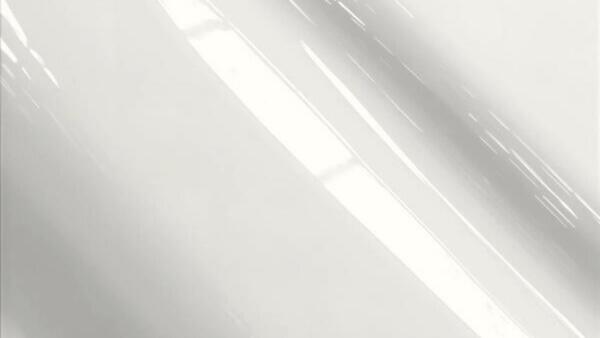
Buff
DodgeCOLOR CODETT-
1 (1962) - Buff -

Shell Biege
DodgeCOLOR CODEUU-
1 (1962) - Shell Biege -
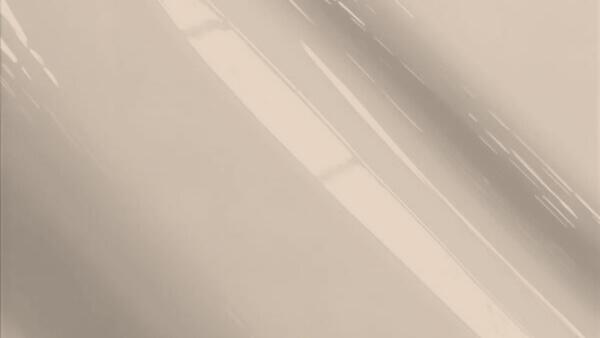
Nutmeg Brown Poly
DodgeCOLOR CODEYY-
1 (1962) - Nutmeg Brown Poly

For small chips & scratches
Customized Color Paint Pen
Repair tiny chips and scratches with precision. Perfect for small nicks from rocks or door dings, the fine tip applicator makes it easy for beginners to achieve a clean, factory-quality finish.

For Medium-sized Chips & Scratches
Customized Color Paint Bottle
Tackle medium-sized scratches and chips with our Customized Color Paint Bottle. The built-in applicator brush provides smooth, controlled coverage, while the included basecoat delivers a perfect factory match in your custom paint color.

For larger areas & panel resprays
Customized Color Spray Can
Cover larger areas with a smooth, professional finish using ourcustomized color Spray Can. Designed for hoods, fenders, and larger scratches, this product provides consistent spray coverage and factory-matched color accuracy.

For large repairs & total resprays
Customized Color Professional Size Paint
When your repair job calls for more than a touch-up, step up to our professional-size automotive paints. Available in Pint, Quart, or Gallon sizes, these paints are ready-to-spray using an airless spray gun.

For small chips & scratches
Customized Color Tricoat Paint Pens
Repair tiny chips and scratches with precision. Perfect for small nicks from rocks or door dings, the fine tip applicator makes it easy for beginners to achieve a clean, factory-quality finish. Each order includes a basecoat and a midcoat pen.

For Medium-sized Chips & Scratches
Customized Color Tricoat Paint Bottles
Tackle medium-sized scratches and chips with our Customized Color Paint Bottles. The built-in applicator brush provides smooth, controlled coverage, while the basecoat & midcoat deliver a perfect factory match in your custom paint color.

For larger areas & panel resprays
Customized Color Tricoat Spray Cans
Cover larger areas with a smooth, professional finish using our customized color basecoat & midcoat Spray Cans. Designed for hoods, fenders, and larger scratches, this product provides consistent spray coverage and factory-matched color accuracy.
For large repairs & total resprays
Customized Color Tricoat Professional Size Paint
When your repair job calls for more than a touch-up, step up to our professional-size automotive paints. Available in Pint, Quart, or Gallon sizes, these paints are ready-to-spray using an airless spray gun. Each order includes a basecoat & a midcoat paint.
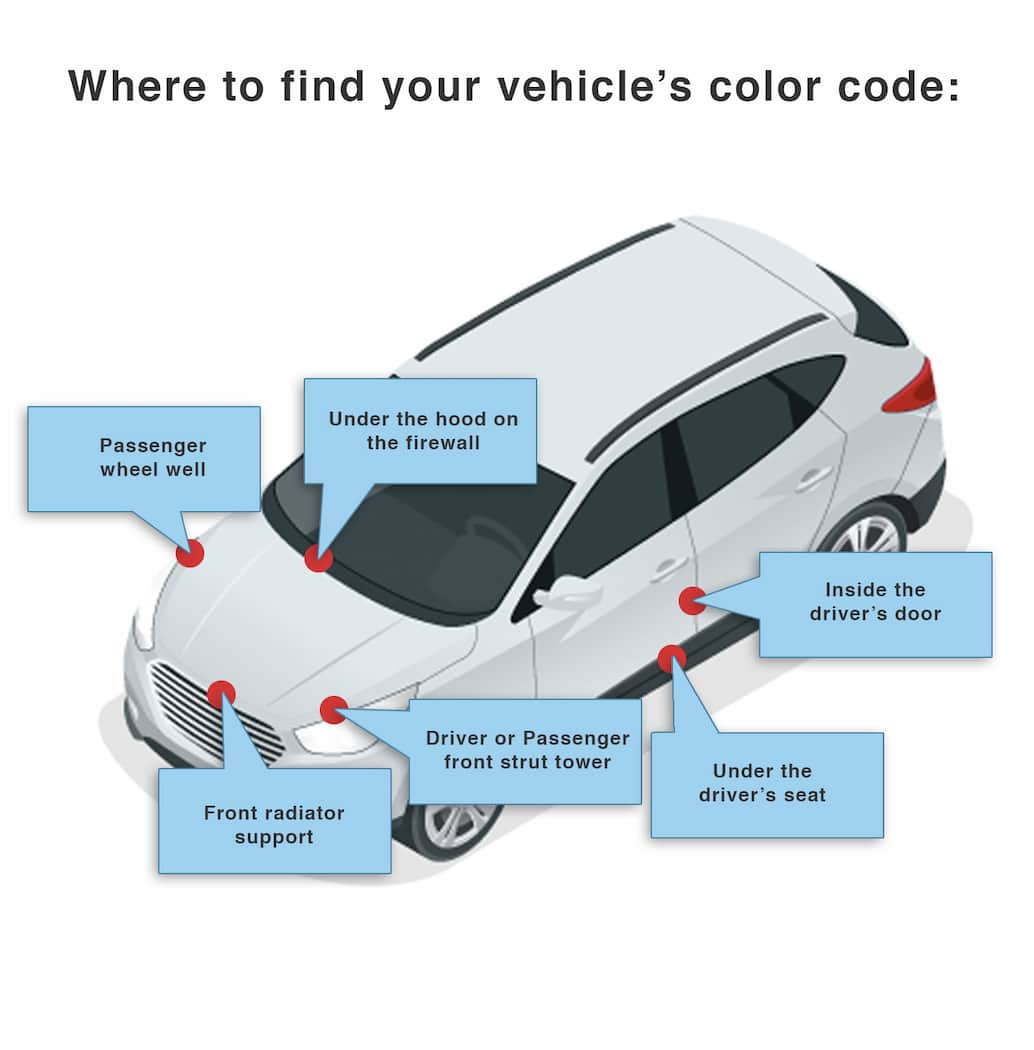
Find Your 1962 Dodge Paint Code
Older Dodge paint codes were placed on top of the radiator support, often obscured by engine grease and oil. Later models list them on the drivers door jamb. The typical format is BS/GBS, but only BS is the color code; it can also appear as QBS, PBS, TBS with the first letter as a confusing Year Code. The G in GBS is not part of the color code. BS corresponds to Deep Water Blue Pearl Clearcoat; lately codes are simply listed as BS.
1962 Dodge Background Info
Dodge Models Released in 1962
- All Other Models (16 colors)
- Trucks (14 colors)