


1997 Winnebago Touch Up Paint (15 OEM Colors)
Search for your color
-
Brite White
WinnebagoCOLOR CODEB8951 -
Brite White 🔥 9 sold recently -

Sahara Metallic
WinnebagoCOLOR CODEM1024K -
Sahara Metallic 🔥 4 sold recently -

Medium Blue
WinnebagoCOLOR CODEF1919 -
Medium Blue 🔥 1 sold recently -

Mocha Frost Pearl
WinnebagoCOLOR CODEF1929 -
Mocha Frost Pearl 🔥 1 sold recently -

Umbra Brown
WinnebagoCOLOR CODEF2529 -
Umbra Brown 🔥 1 sold recently -

Plum Metallic
WinnebagoCOLOR CODEF4593K -
Plum Metallic 🔥 1 sold recently -

Blue
WinnebagoCOLOR CODEBM501 -
Blue -

Violet Metallic
WinnebagoCOLOR CODEF0900U -
Violet Metallic -

Graphite
WinnebagoCOLOR CODEF0901K -
Graphite -

Sable
WinnebagoCOLOR CODEF1529 -
Sable -
Super Blue
WinnebagoCOLOR CODEF1915 -
Super Blue -

Dark Green
WinnebagoCOLOR CODEF1917 -
Dark Green -

Med Aqua
WinnebagoCOLOR CODEF2969U -
Med Aqua -

Buff
WinnebagoCOLOR CODEG9692 -
Buff -

Forest Green Metallic
WinnebagoCOLOR CODEGM221 -
Forest Green Metallic

For small chips & scratches
Customized Color Paint Pen
Repair tiny chips and scratches with precision. Perfect for small nicks from rocks or door dings, the fine tip applicator makes it easy for beginners to achieve a clean, factory-quality finish.

For Medium-sized Chips & Scratches
Customized Color Paint Bottle
Tackle medium-sized scratches and chips with our Customized Color Paint Bottle. The built-in applicator brush provides smooth, controlled coverage, while the included basecoat delivers a perfect factory match in your custom paint color.

For larger areas & panel resprays
Customized Color Spray Can
Cover larger areas with a smooth, professional finish using ourcustomized color Spray Can. Designed for hoods, fenders, and larger scratches, this product provides consistent spray coverage and factory-matched color accuracy.

For large repairs & total resprays
Customized Color Professional Size Paint
When your repair job calls for more than a touch-up, step up to our professional-size automotive paints. Available in Pint, Quart, or Gallon sizes, these paints are ready-to-spray using an airless spray gun.

For small chips & scratches
Customized Color Tricoat Paint Pens
Repair tiny chips and scratches with precision. Perfect for small nicks from rocks or door dings, the fine tip applicator makes it easy for beginners to achieve a clean, factory-quality finish. Each order includes a basecoat and a midcoat pen.

For Medium-sized Chips & Scratches
Customized Color Tricoat Paint Bottles
Tackle medium-sized scratches and chips with our Customized Color Paint Bottles. The built-in applicator brush provides smooth, controlled coverage, while the basecoat & midcoat deliver a perfect factory match in your custom paint color.

For larger areas & panel resprays
Customized Color Tricoat Spray Cans
Cover larger areas with a smooth, professional finish using our customized color basecoat & midcoat Spray Cans. Designed for hoods, fenders, and larger scratches, this product provides consistent spray coverage and factory-matched color accuracy.
For large repairs & total resprays
Customized Color Tricoat Professional Size Paint
When your repair job calls for more than a touch-up, step up to our professional-size automotive paints. Available in Pint, Quart, or Gallon sizes, these paints are ready-to-spray using an airless spray gun. Each order includes a basecoat & a midcoat paint.
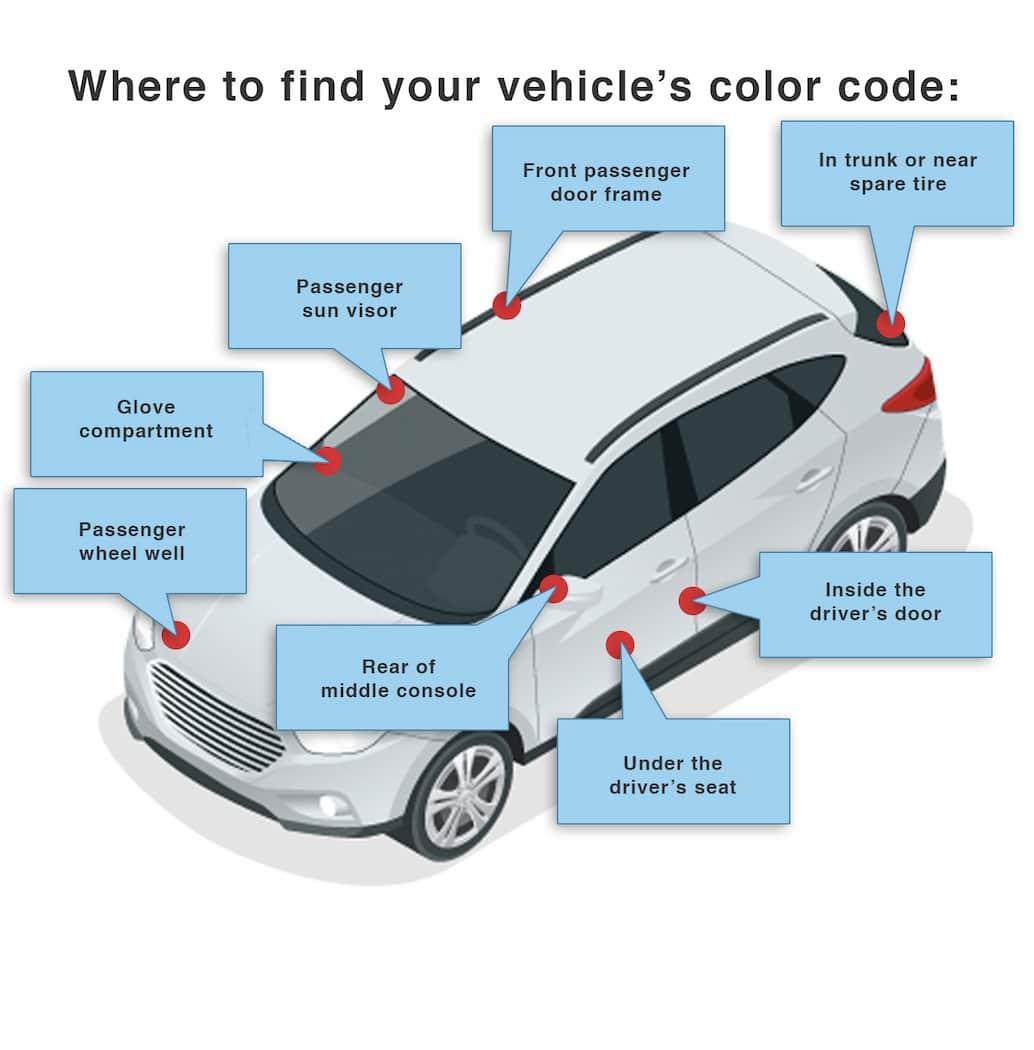
Find Your 1997 Winnebago Paint Code
Colors for Winnebago, Itasca, Rialta and ERA motorhomes are listed at the provided link. The paint color code may be hard to find on the vehicle, sometimes well hidden behind parts, and some vehicles do not have color codes at all. Winnebago can be called to ask where the code is and for the PPG paint formula number or the Dupont paint formula number. Some situations require direct contact with Winnebago.
1997 Winnebago Background Info
Winnebago Models Released in 1997
- All Models (15 colors)