Triumph All Models Paint Info
The Color Breakdown
Triumph definitely didn't shy away from the crayon box. With 70 colors recorded across their history, they gave us everything from the regal Royal Blue and deep Damson to the unapologetically bold Java Green and Saffron Yellow. They really went for it in the 70s, ensuring that whether you were driving a Spitfire or a TR6, your car was going to get noticed. It's a classic British palette that ranges from sophisticated "country club" greens to "look-at-me" primary reds.
What to Watch For
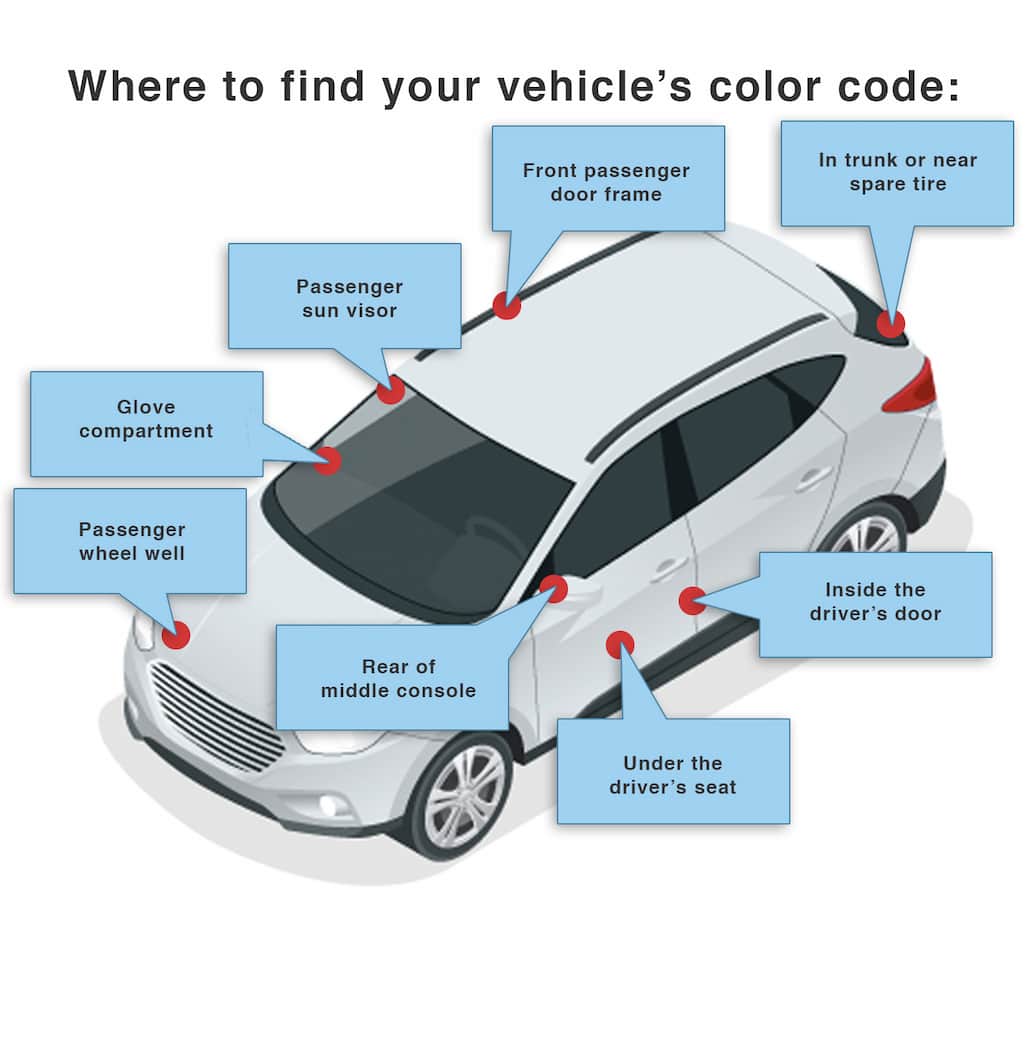
Since most classic Triumphs originally used single-stage paint, the biggest enemy isn't usually peeling-it's fading. If your Signal Red or Tahiti Blue looks a bit "chalky" or dull, that's just the paint reacting to decades of sunshine. You'll also want to keep a close eye on the "seams" of the car-like the wheel arches and the bulkhead-where the paint can sometimes lift or bubble if moisture gets trapped. To find your specific color code, go on a scavenger hunt under the hood. Look for a metal "Commission Plate" or a small rectangular paint plate riveted to the bulkhead (the firewall) or the suspension turret. On some models like the Stag, you might even find it on the door pillar.
Driveway Repair Tip
Because many of these colors are solid (non-metallic), they are very DIY-friendly, but they do require a little bit of "bottle prep." Before you touch that chip, shake your paint bottle for a full two minutes-even if your arm gets tired. This ensures the heavy pigments at the bottom are fully mixed so the color matches the rest of the car. When applying, remember that three thin coats are always better than one big, thick blob. Think of it like painting a miniature: dab a tiny amount into the center of the chip and let it flow to the edges. It takes a little more patience, but the result will look smooth and level rather than like a "paint mountain."