


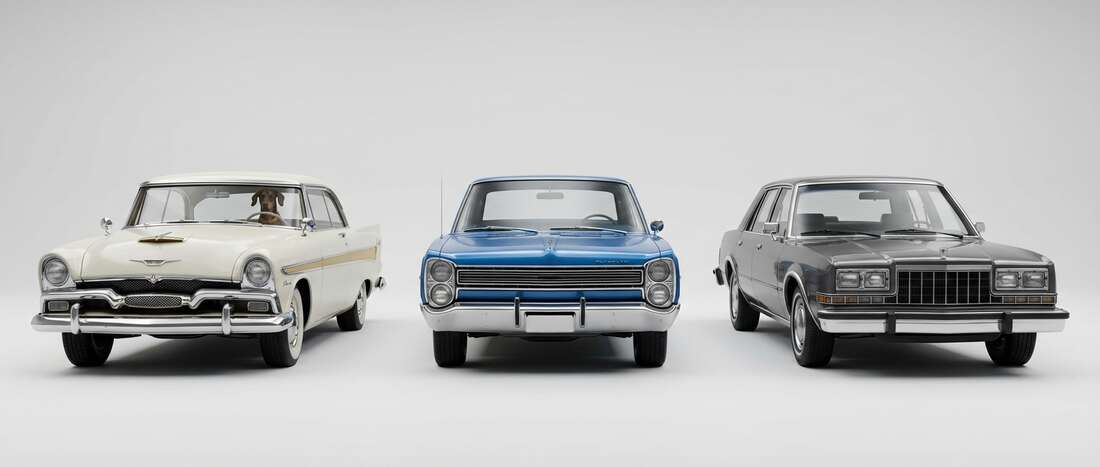
Plymouth Fury Touch Up Paint (22 OEM Colors)
Search for your Fury's color
-

Racing or Forest Green Poly
PlymouthCOLOR CODEGG-
1 (1968) - Racing or Forest Green Poly 🔥 2 sold recently -

Medium or Ember Gold Poly
PlymouthCOLOR CODEJJ-
1 (1968) - Medium or Ember Gold Poly 🔥 1 sold recently -

Medium Dark or Surf Turquoise Poly
PlymouthCOLOR CODELL-
1 (1968) - Medium Dark or Surf Turquoise Poly 🔥 1 sold recently -

Red or Matador Red
PlymouthCOLOR CODEPP-
1 (1968) - Red or Matador Red 🔥 1 sold recently -

Light or Frost Blue Poly
PlymouthCOLOR CODEUU-
1 (1968) - Light or Frost Blue Poly 🔥 1 sold recently -
White or Sable White
PlymouthCOLOR CODEWW-
1 (1968) - White or Sable White 🔥 1 sold recently -

Hawaiian Blue
PlymouthCOLOR CODE22-
1 (1968) - Hawaiian Blue -
Silver or Buffed Silver Poly
PlymouthCOLOR CODEAA-
1 (1968) - Silver or Buffed Silver Poly -

Black
PlymouthCOLOR CODEBB-
1 (1968) - Black -

Medium Blue Poly
PlymouthCOLOR CODECC-
1 (1968) - Medium Blue Poly -

Pale or Mist Blue Poly
PlymouthCOLOR CODEDD-
1 (1968) - Pale or Mist Blue Poly -

Dark Blue Poly
PlymouthCOLOR CODEEE-
1 (1968) - Dark Blue Poly -

Light or Mist Green Poly
PlymouthCOLOR CODEFF-
1 (1968) - Light or Mist Green Poly -

Light or Yellow Gold
PlymouthCOLOR CODEHH-
1 (1968) - Light or Yellow Gold -

Light or Mist Turquoise Poly
PlymouthCOLOR CODEKK-
1 (1968) - Light or Mist Turquoise Poly -
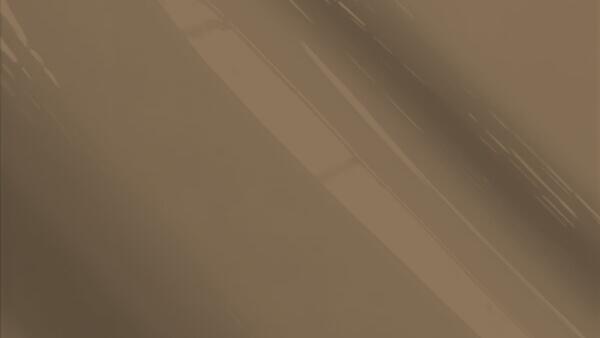
Bronze or Turbine Bronze Poly
PlymouthCOLOR CODEMM-
1 (1968) - Bronze or Turbine Bronze Poly
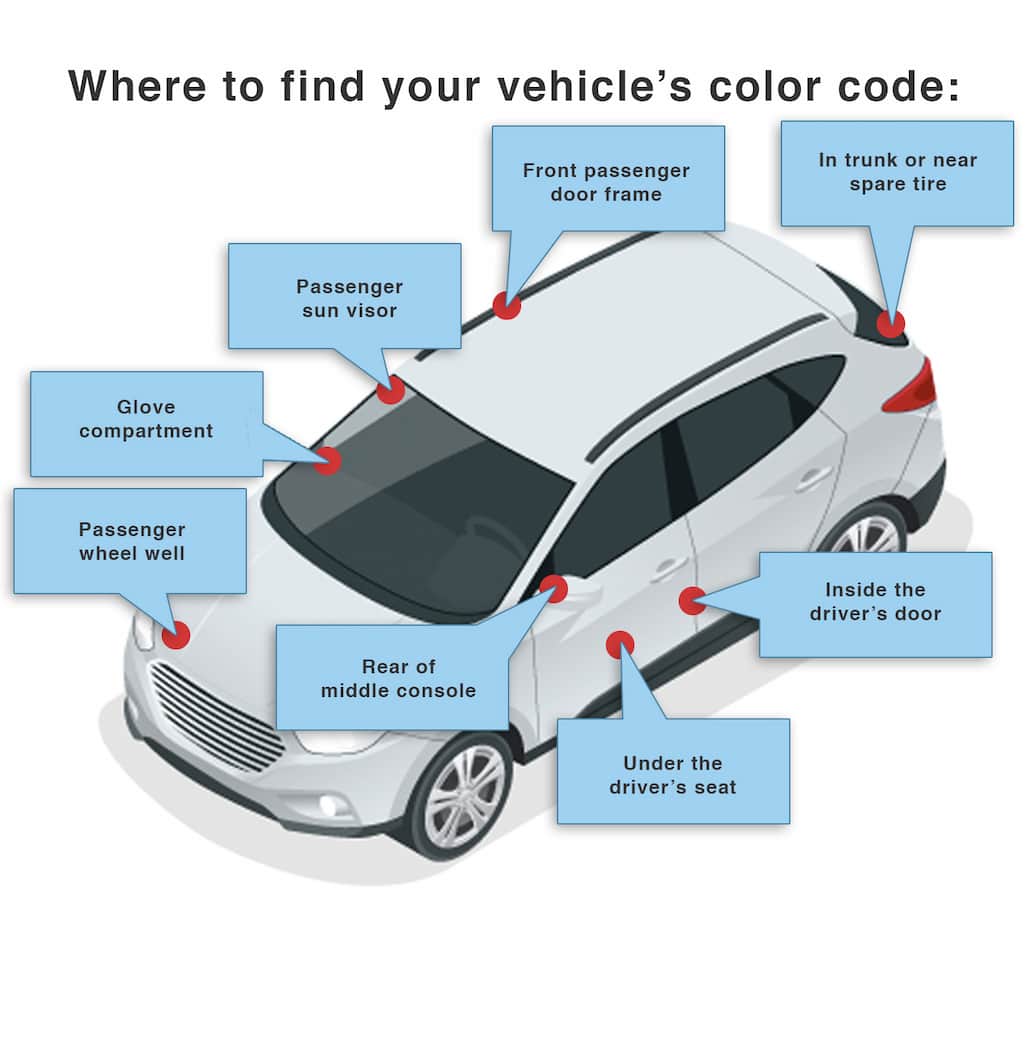
Find Your Plymouth Fury Paint Code
Plymouth paint codes were often hidden on top of the radiator support, hard to spot under engine grease and oil. Later models started putting them on the drivers door jamb. Typical code format appears as BS/GBS, but only the BS is the color code; variants like QBS, PBS, TBS may appear. BS corresponds to Deep Water Blue Pearl Clearcoat. The G in GBS is not part of the code, and newer listings may simply show BS.
Plymouth Fury Paint Info
Plymouth Fury Colors by Year
Let us know the year your Fury was manufactured. We'll eliminate colors that won't match your vehicle.
- 1968 (22 colors)