


Nissan Pathfinder Touch Up Paint (141 OEM Colors)
Search for your Pathfinder's color
-

Silver
NissanCOLOR CODEKBV -
Silver -

Titanium Gray
NissanCOLOR CODEKBW -
Titanium Gray -

Light Greenish Silver
NissanCOLOR CODEKCS -
Light Greenish Silver -

Charcoal Pearl Metallic
NissanCOLOR CODEKH2 -
Charcoal Pearl Metallic -

Yellow Silver Pearl
NissanCOLOR CODEKJ1 -
Yellow Silver Pearl -

Dark Titanium Metallic (Trim)
NissanCOLOR CODEKR2 -
Dark Titanium Metallic (Trim) -

Gray Metallic
NissanCOLOR CODEKR2 -
Gray Metallic -

Bronze Gray Metallic
NissanCOLOR CODEKX0 -
Bronze Gray Metallic -

Violet
NissanCOLOR CODELAN -
Violet -

Kanjuk Cassis
NissanCOLOR CODENCD -
Kanjuk Cassis -

Silky Lilac
NissanCOLOR CODENCE -
Silky Lilac -

Scarlet Red
NissanCOLOR CODENISA20 -
Scarlet Red -

Red
NissanCOLOR CODENISAX6 -
Red -

Bronze Dore
NissanCOLOR CODENISD18 -
Bronze Dore -

Grey
NissanCOLOR CODENISK21 -
Grey -

Silver
NissanCOLOR CODENISK23 -
Silver
Find Your Nissan Pathfinder Paint Code
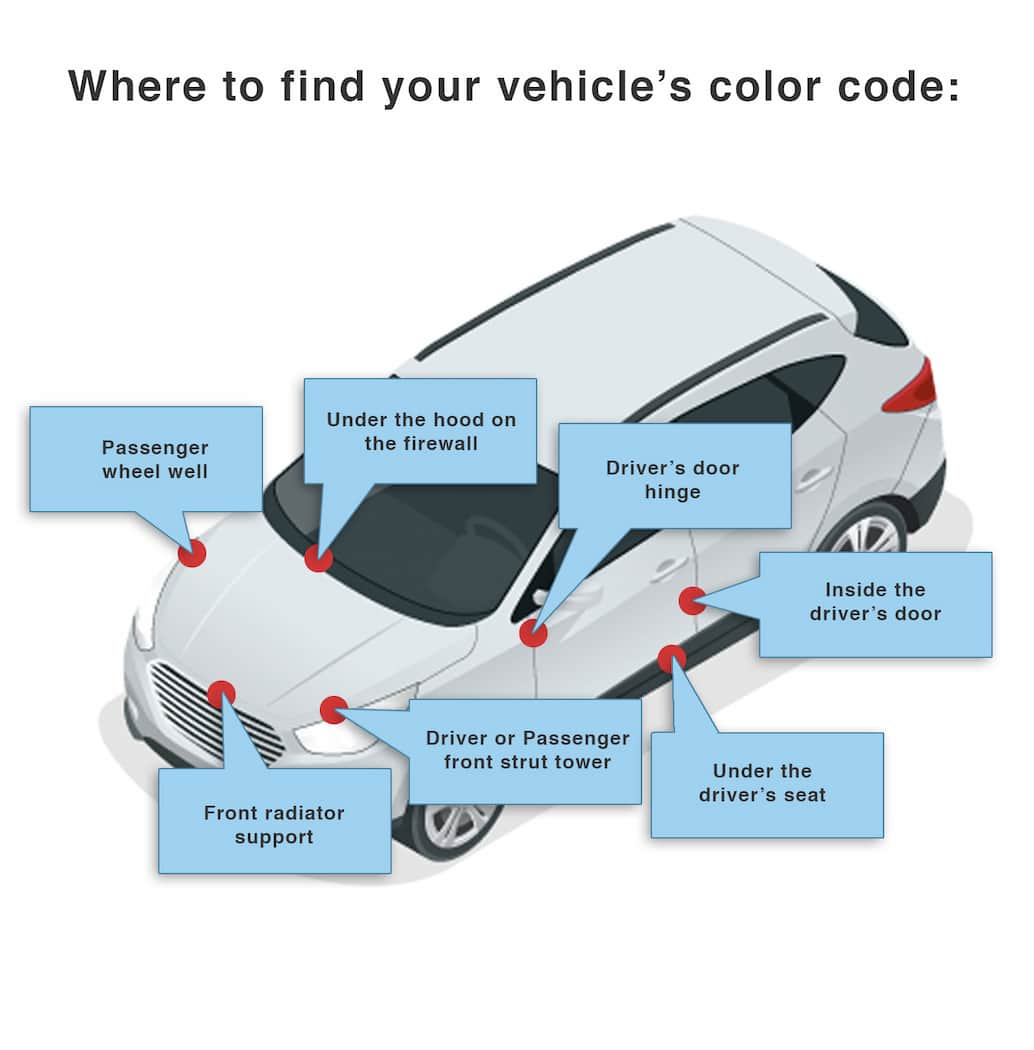
Nissan paint color codes are on the driver's door jamb. Some labels are low on the jamb and require bending to read. The color label may be small. Codes are typically three characters long using letters and numbers; sometimes a space and a fourth character follow. The same code can have different marketing names across models. AX6 corresponds to Redline Clearcoat; AX6 may also be called Red Clearcoat or High Performance Clearcoat. Nissan North America phone number is 1-800-647-7261.
Nissan Pathfinder Paint Info
Nissan Pathfinder Colors by Year
Let us know the year your Pathfinder was manufactured. We'll eliminate colors that won't match your vehicle.
- 2027 (41 colors)
- 2026 (41 colors)
- 2025 (19 colors)
- 2024 (19 colors)
- 2023 (19 colors)
- 2022 (19 colors)
- 2021 (10 colors)
- 2020 (10 colors)
- 2019 (10 colors)
- 2018 (9 colors)
- 2017 (10 colors)
- 2016 (10 colors)
- 2015 (12 colors)
- 2014 (9 colors)
- 2013 (9 colors)
- 2012 (8 colors)
- 2011 (8 colors)
- 2010 (9 colors)
- 2009 (9 colors)
- 2008 (11 colors)
- 2007 (9 colors)
- 2006 (9 colors)
- 2005 (11 colors)
- 2004 (10 colors)
- 2003 (10 colors)
- 2002 (9 colors)
- 2001 (12 colors)
- 2000 (14 colors)
- 1999 (16 colors)
- 1998 (10 colors)
- 1997 (8 colors)
- 1996 (8 colors)
- 1995 (13 colors)
- 1994 (12 colors)
- 1993 (16 colors)
- 1992 (15 colors)
- 1991 (12 colors)
- 1990 (11 colors)
- 1989 (9 colors)
- 1988 (9 colors)
- 1987 (7 colors)