


Mercedes-Benz GLS Touch Up Paint (41 OEM Colors)
Search for your GLS's color
-

Emerald Green
Mercedes-BenzCOLOR CODE989 -
Emerald Green 🔥 4 sold recently -

Hightech Silver
Mercedes-BenzCOLOR CODE9922 -
Hightech Silver 🔥 4 sold recently -

Diamond White Tricoat
Mercedes-BenzCOLOR CODE799 -
Diamond White Tricoat 🔥 3 sold recently -

Brilliant Blue Metallic
Mercedes-BenzCOLOR CODE896/
5896 - Brilliant Blue Metallic 🔥 3 sold recently -

White Bright Tricoat
Mercedes-BenzCOLOR CODE9885 -
White Bright Tricoat 🔥 3 sold recently -

Nautic Blue
Mercedes-BenzCOLOR CODE595 -
Nautic Blue 🔥 2 sold recently -

Mojave Silver
Mercedes-BenzCOLOR CODE859 -
Mojave Silver 🔥 2 sold recently -

Sodalite Blue
Mercedes-BenzCOLOR CODE5842 -
Sodalite Blue 🔥 2 sold recently -

Designo Mysticblau
Mercedes-BenzCOLOR CODE032 -
Designo Mysticblau 🔥 1 sold recently -

Black
Mercedes-BenzCOLOR CODE40 -
Black 🔥 1 sold recently -

Graphite Gray
Mercedes-BenzCOLOR CODE190 -
Graphite Gray 🔥 1 sold recently -

Designo Selenite Grey
Mercedes-BenzCOLOR CODE297/
7297 - Designo Selenite Grey 🔥 1 sold recently -

Tenoritgrau
Mercedes-BenzCOLOR CODE755 -
Tenoritgrau 🔥 1 sold recently -

Iridium Silver Metallic
Mercedes-BenzCOLOR CODE775 -
Iridium Silver Metallic 🔥 1 sold recently -

Citrine Brown Metallic
Mercedes-BenzCOLOR CODE796/
8796 - Citrine Brown Metallic 🔥 1 sold recently -
Mojave Silver Metallic
Mercedes-BenzCOLOR CODE859/
9859 - Mojave Silver Metallic 🔥 1 sold recently
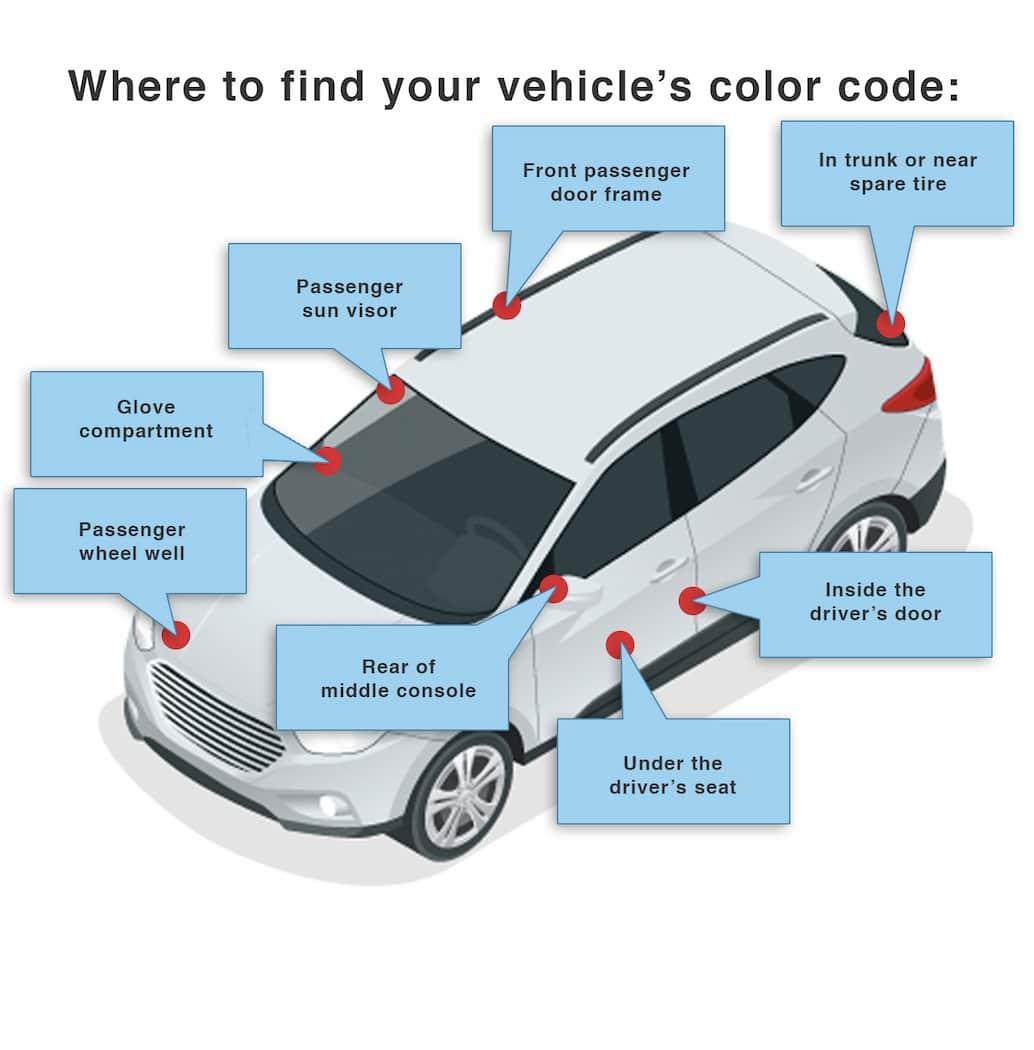
Find Your Mercedes-Benz GLS Paint Code
Mercedes-Benz used to place paint color codes in various locations. Recent models have the code on the driver's door jamb. On older models the code can be hard to find; location and format vary by year or model and may require searching multiple tags. Most codes are three-digit and numeric only. On the color ID tag, the code appears as the fourth group of numbers at the top. Example: 373 corresponds to Atlantic Blue; names typically stay consistent across models.
Mercedes-Benz GLS Paint Info
Mercedes-Benz GLS Colors by Year
Let us know the year your GLS was manufactured. We'll eliminate colors that won't match your vehicle.