


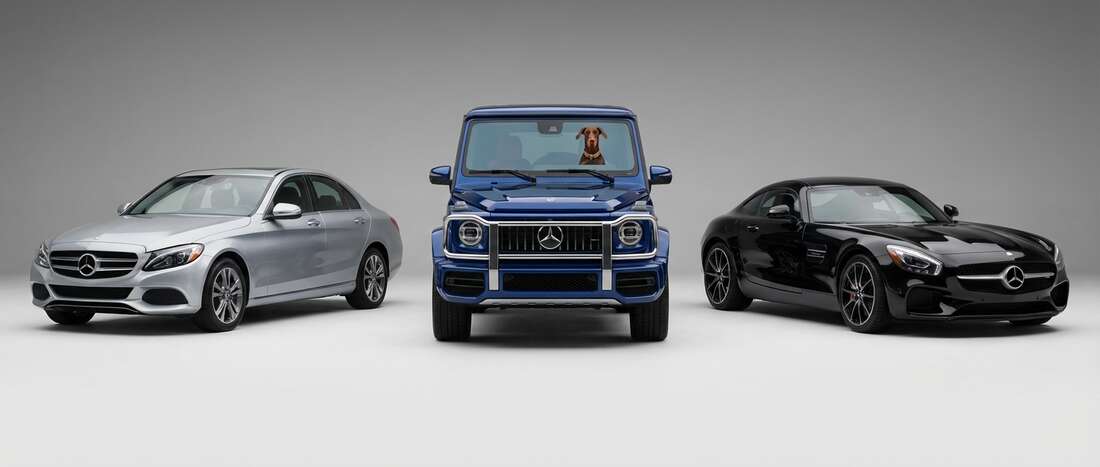
1981 Mercedes-Benz Touch Up Paint (28 OEM Colors)
Search for your color
-

Light Ivory
Mercedes-BenzCOLOR CODE623 -
Light Ivory 🔥 9 sold recently -

Black
Mercedes-BenzCOLOR CODE040 -
Black 🔥 8 sold recently -

Maroon
Mercedes-BenzCOLOR CODE501 -
Maroon 🔥 3 sold recently -

Pastel Beige
Mercedes-BenzCOLOR CODE684 -
Pastel Beige 🔥 3 sold recently -

Astro Silver Metallic
Mercedes-BenzCOLOR CODE735 -
Astro Silver Metallic 🔥 3 sold recently -

Classic White
Mercedes-BenzCOLOR CODE737 -
Classic White 🔥 2 sold recently -

Anthracite Grey Metallic
Mercedes-BenzCOLOR CODE172 -
Anthracite Grey Metallic 🔥 1 sold recently -

Champagne Metallic
Mercedes-BenzCOLOR CODE473 -
Champagne Metallic 🔥 1 sold recently -

Golden Brown
Mercedes-BenzCOLOR CODE476 -
Golden Brown 🔥 1 sold recently -

Manganese Brown Metallic
Mercedes-BenzCOLOR CODE480 -
Manganese Brown Metallic 🔥 1 sold recently -

Signal (Fire Engine) Red
Mercedes-BenzCOLOR CODE568 -
Signal (Fire Engine) Red 🔥 1 sold recently -

Sun Yellow
Mercedes-BenzCOLOR CODE680 -
Sun Yellow 🔥 1 sold recently -

Manila Beige
Mercedes-BenzCOLOR CODE681 -
Manila Beige 🔥 1 sold recently -

Petrol Blue Green Metallic
Mercedes-BenzCOLOR CODE877 -
Petrol Blue Green Metallic 🔥 1 sold recently -

Thistle Green Metallic
Mercedes-BenzCOLOR CODE881 -
Thistle Green Metallic 🔥 1 sold recently -

Dark Blue
Mercedes-BenzCOLOR CODE904 -
Dark Blue 🔥 1 sold recently

For small chips & scratches
Customized Color Paint Pen
Repair tiny chips and scratches with precision. Perfect for small nicks from rocks or door dings, the fine tip applicator makes it easy for beginners to achieve a clean, factory-quality finish.

For Medium-sized Chips & Scratches
Customized Color Paint Bottle
Tackle medium-sized scratches and chips with our Customized Color Paint Bottle. The built-in applicator brush provides smooth, controlled coverage, while the included basecoat delivers a perfect factory match in your custom paint color.

For larger areas & panel resprays
Customized Color Spray Can
Cover larger areas with a smooth, professional finish using ourcustomized color Spray Can. Designed for hoods, fenders, and larger scratches, this product provides consistent spray coverage and factory-matched color accuracy.

For large repairs & total resprays
Customized Color Professional Size Paint
When your repair job calls for more than a touch-up, step up to our professional-size automotive paints. Available in Pint, Quart, or Gallon sizes, these paints are ready-to-spray using an airless spray gun.

For small chips & scratches
Customized Color Tricoat Paint Pens
Repair tiny chips and scratches with precision. Perfect for small nicks from rocks or door dings, the fine tip applicator makes it easy for beginners to achieve a clean, factory-quality finish. Each order includes a basecoat and a midcoat pen.

For Medium-sized Chips & Scratches
Customized Color Tricoat Paint Bottles
Tackle medium-sized scratches and chips with our Customized Color Paint Bottles. The built-in applicator brush provides smooth, controlled coverage, while the basecoat & midcoat deliver a perfect factory match in your custom paint color.

For larger areas & panel resprays
Customized Color Tricoat Spray Cans
Cover larger areas with a smooth, professional finish using our customized color basecoat & midcoat Spray Cans. Designed for hoods, fenders, and larger scratches, this product provides consistent spray coverage and factory-matched color accuracy.
For large repairs & total resprays
Customized Color Tricoat Professional Size Paint
When your repair job calls for more than a touch-up, step up to our professional-size automotive paints. Available in Pint, Quart, or Gallon sizes, these paints are ready-to-spray using an airless spray gun. Each order includes a basecoat & a midcoat paint.
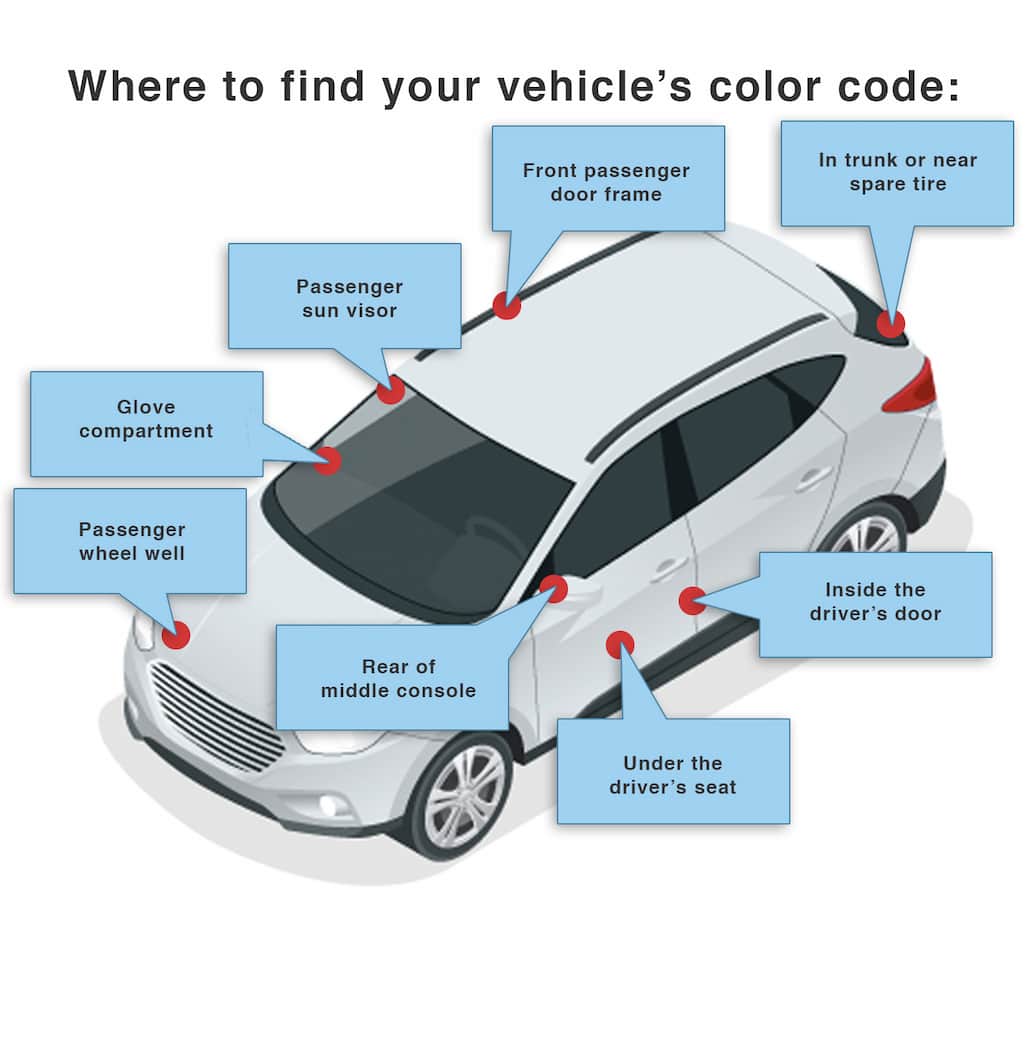
Find Your 1981 Mercedes-Benz Paint Code
Mercedes-Benz used to place paint color codes in various locations. Recent models have the code on the driver's door jamb. On older models the code can be hard to find; location and format vary by year or model and may require searching multiple tags. Most codes are three-digit and numeric only. On the color ID tag, the code appears as the fourth group of numbers at the top. Example: 373 corresponds to Atlantic Blue; names typically stay consistent across models.
1981 Mercedes-Benz Background Info
Mercedes-Benz Models Released in 1981
- All Models (28 colors)