


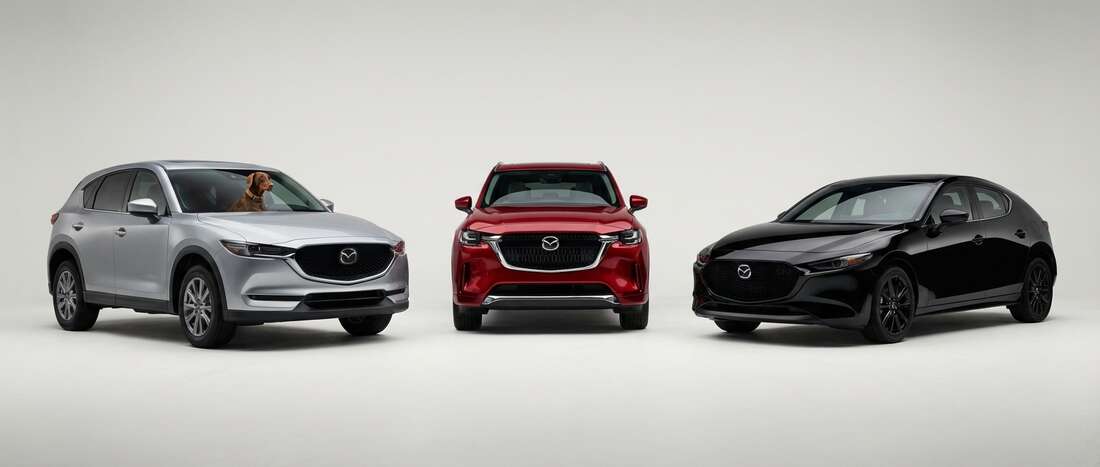
2016 Mazda Touch Up Paint (15 OEM Colors)
Search for your color
-
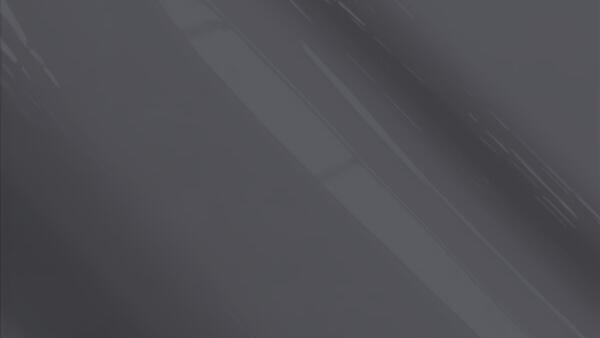
Deep Crystal Blue Pearl
MazdaCOLOR CODE42M -
Deep Crystal Blue Pearl 🔥 34 sold recently -
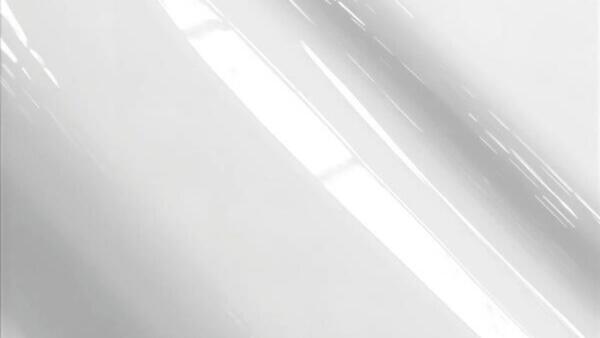
Snowflake Pearl Tricoat
MazdaCOLOR CODE25D -
Snowflake Pearl Tricoat 🔥 22 sold recently -

Jet Black Pearl
MazdaCOLOR CODE41W -
Jet Black Pearl 🔥 19 sold recently -

Soul Red Tricoat
MazdaCOLOR CODE41V -
Soul Red Tricoat 🔥 15 sold recently -
Machine Gray Metallic
MazdaCOLOR CODE46G -
Machine Gray Metallic 🔥 15 sold recently -
Aluminum Metallic
MazdaCOLOR CODE38P -
Aluminum Metallic 🔥 8 sold recently -
Meteor Gray Pearl
MazdaCOLOR CODE42A -
Meteor Gray Pearl 🔥 7 sold recently -
Sonic Silver
MazdaCOLOR CODE45P -
Sonic Silver 🔥 7 sold recently -
Crystal White Pearl Tricoat
MazdaCOLOR CODE34K -
Crystal White Pearl Tricoat 🔥 5 sold recently -
Ceramic Metallic
MazdaCOLOR CODE47A -
Ceramic Metallic 🔥 3 sold recently -
Rally White
MazdaCOLOR CODEA4D -
Rally White 🔥 3 sold recently -

Blue Reflex Pearl Metallic
MazdaCOLOR CODE42B -
Blue Reflex Pearl Metallic 🔥 2 sold recently -
Titanium Flash Pearl
MazdaCOLOR CODE42S -
Titanium Flash Pearl 🔥 1 sold recently -

Zeal Red Pearl
MazdaCOLOR CODE41G -
Zeal Red Pearl -

Dynamic Blue Mica
MazdaCOLOR CODE44J -
Dynamic Blue Mica

For small chips & scratches
Customized Color Paint Pen
Repair tiny chips and scratches with precision. Perfect for small nicks from rocks or door dings, the fine tip applicator makes it easy for beginners to achieve a clean, factory-quality finish.

For Medium-sized Chips & Scratches
Customized Color Paint Bottle
Tackle medium-sized scratches and chips with our Customized Color Paint Bottle. The built-in applicator brush provides smooth, controlled coverage, while the included basecoat delivers a perfect factory match in your custom paint color.

For larger areas & panel resprays
Customized Color Spray Can
Cover larger areas with a smooth, professional finish using ourcustomized color Spray Can. Designed for hoods, fenders, and larger scratches, this product provides consistent spray coverage and factory-matched color accuracy.

For large repairs & total resprays
Customized Color Professional Size Paint
When your repair job calls for more than a touch-up, step up to our professional-size automotive paints. Available in Pint, Quart, or Gallon sizes, these paints are ready-to-spray using an airless spray gun.

For small chips & scratches
Customized Color Tricoat Paint Pens
Repair tiny chips and scratches with precision. Perfect for small nicks from rocks or door dings, the fine tip applicator makes it easy for beginners to achieve a clean, factory-quality finish. Each order includes a basecoat and a midcoat pen.

For Medium-sized Chips & Scratches
Customized Color Tricoat Paint Bottles
Tackle medium-sized scratches and chips with our Customized Color Paint Bottles. The built-in applicator brush provides smooth, controlled coverage, while the basecoat & midcoat deliver a perfect factory match in your custom paint color.

For larger areas & panel resprays
Customized Color Tricoat Spray Cans
Cover larger areas with a smooth, professional finish using our customized color basecoat & midcoat Spray Cans. Designed for hoods, fenders, and larger scratches, this product provides consistent spray coverage and factory-matched color accuracy.
For large repairs & total resprays
Customized Color Tricoat Professional Size Paint
When your repair job calls for more than a touch-up, step up to our professional-size automotive paints. Available in Pint, Quart, or Gallon sizes, these paints are ready-to-spray using an airless spray gun. Each order includes a basecoat & a midcoat paint.
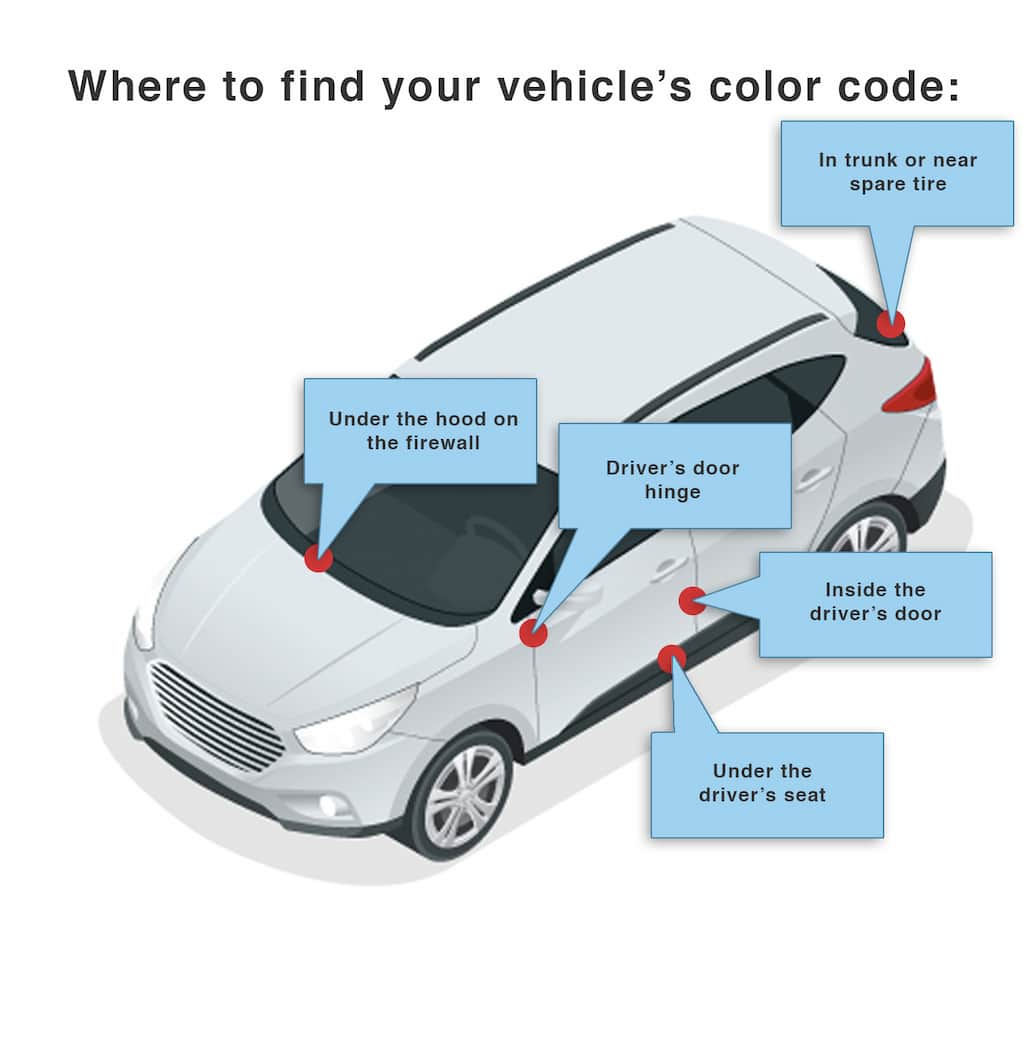
Find Your 2016 Mazda Paint Code
Mazda Color Codes are usually found on the Color ID Tag in the driver-side door jamb or door frame. The tag may label the Color Code as BODY Color Code or Color Code; on some models and years it is instead on an under-hood label on the firewall, at the back of the engine area near the windshield. Mazda Color Codes are usually 2 to 3 characters, such as 41V, 46G, 46V, or A4A.