


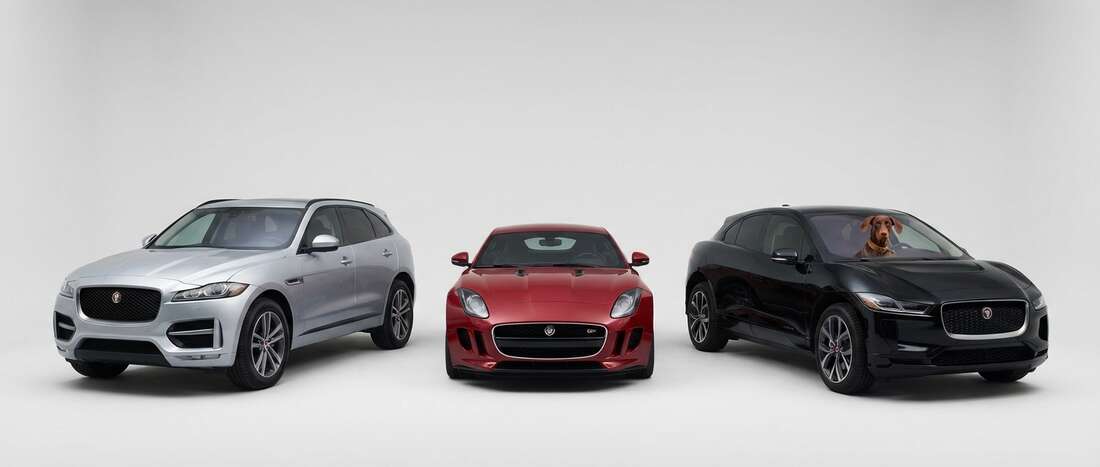
1992 Jaguar Touch Up Paint (18 OEM Colors)
Search for your color
-
Diamond Blue Metallic
JaguarCOLOR CODE743/
JFN - Diamond Blue Metallic 🔥 2 sold recently -

Brooklands Green
JaguarCOLOR CODE753/
HFB - Brooklands Green 🔥 2 sold recently -

Black
JaguarCOLOR CODE333/
PDH - Black 🔥 1 sold recently -

Bright Red/Signal Red
JaguarCOLOR CODE748/
CFC - Bright Red/ Signal Red 🔥 1 sold recently -
Silver Frost Metallic
JaguarCOLOR CODE750/
MDK - Silver Frost Metallic 🔥 1 sold recently -
Flamenco Pearl
JaguarCOLOR CODE765/
CFH - Flamenco Pearl 🔥 1 sold recently -

Trim Black
JaguarCOLOR CODE39143 -
Trim Black 🔥 1 sold recently -

Westminster Blue
JaguarCOLOR CODE712/
JFG - Westminster Blue -

Solent Blue Metallic
JaguarCOLOR CODE715/
JFJ - Solent Blue Metallic -

Regency Red Pearl Metallic
JaguarCOLOR CODE734/
CFA - Regency Red Pearl Metallic -
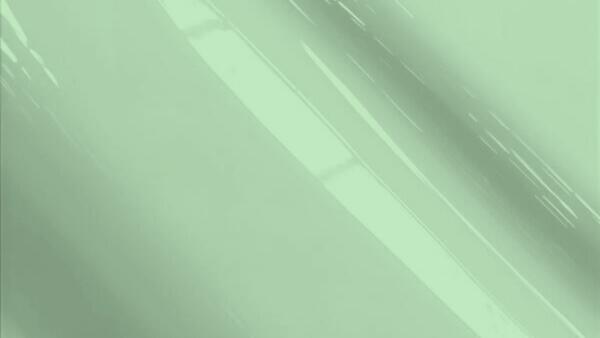
Jade Green Pearl
JaguarCOLOR CODE735/
HEV - Jade Green Pearl -

Black Cherry Pearl
JaguarCOLOR CODE737/
PDP - Black Cherry Pearl -
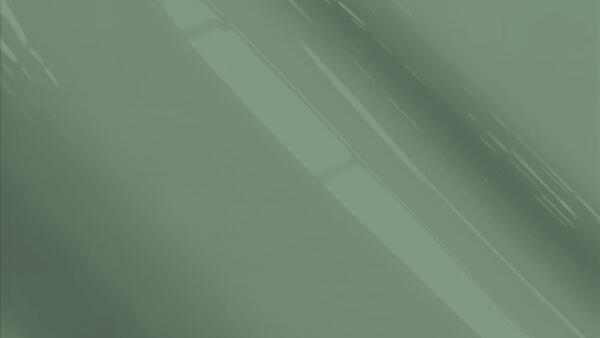
Gunmetal Metallic
JaguarCOLOR CODE740/
LEH - Gunmetal Metallic -
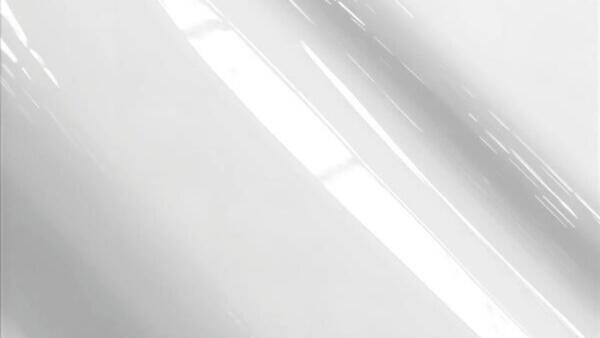
New Glacier White
JaguarCOLOR CODE742/
NDP - New Glacier White -
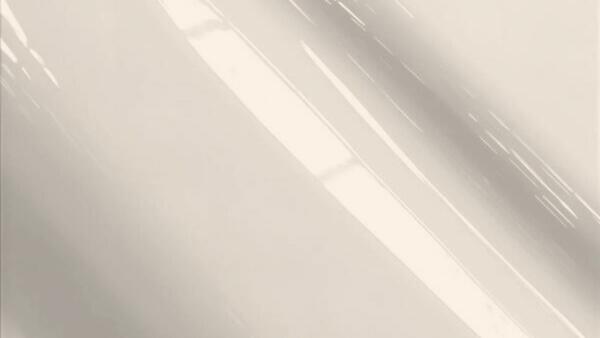
Oyster Metallic
JaguarCOLOR CODE751/
SDE - Oyster Metallic -

Platinum Metallic
JaguarCOLOR CODE775/
LEP - Platinum Metallic

For small chips & scratches
Customized Color Paint Pen
Repair tiny chips and scratches with precision. Perfect for small nicks from rocks or door dings, the fine tip applicator makes it easy for beginners to achieve a clean, factory-quality finish.

For Medium-sized Chips & Scratches
Customized Color Paint Bottle
Tackle medium-sized scratches and chips with our Customized Color Paint Bottle. The built-in applicator brush provides smooth, controlled coverage, while the included basecoat is mixed to the factory paint code you order.

For larger areas & panel resprays
Customized Color Spray Can
Cover larger areas with a smooth, professional finish using ourcustomized color Spray Can. Designed for hoods, fenders, and larger scratches, this product provides consistent spray coverage and factory-matched color accuracy.

For large repairs & total resprays
Customized Color Professional Size Paint
When your repair job calls for more than a touch-up, step up to our professional-size automotive paints. Available in Pint, Quart, or Gallon sizes, these paints are ready-to-spray using an airless spray gun.

For small chips & scratches
Customized Color Tricoat Paint Pens
Repair tiny chips and scratches with precision. Perfect for small nicks from rocks or door dings, the fine tip applicator makes it easy for beginners to achieve a clean, factory-quality finish. Each order includes a basecoat and a midcoat pen.

For Medium-sized Chips & Scratches
Customized Color Tricoat Paint Bottles
Tackle medium-sized scratches and chips with our Customized Color Paint Bottles. The built-in applicator brush provides smooth, controlled coverage, while the basecoat & midcoat are mixed to the factory paint code you order.

For larger areas & panel resprays
Customized Color Tricoat Spray Cans
Cover larger areas with a smooth, professional finish using our customized color basecoat & midcoat Spray Cans. Designed for hoods, fenders, and larger scratches, this product provides consistent spray coverage and factory-matched color accuracy.
For large repairs & total resprays
Customized Color Tricoat Professional Size Paint
When your repair job calls for more than a touch-up, step up to our professional-size automotive paints. Available in Pint, Quart, or Gallon sizes, these paints are ready-to-spray using an airless spray gun. Each order includes a basecoat & a midcoat paint.
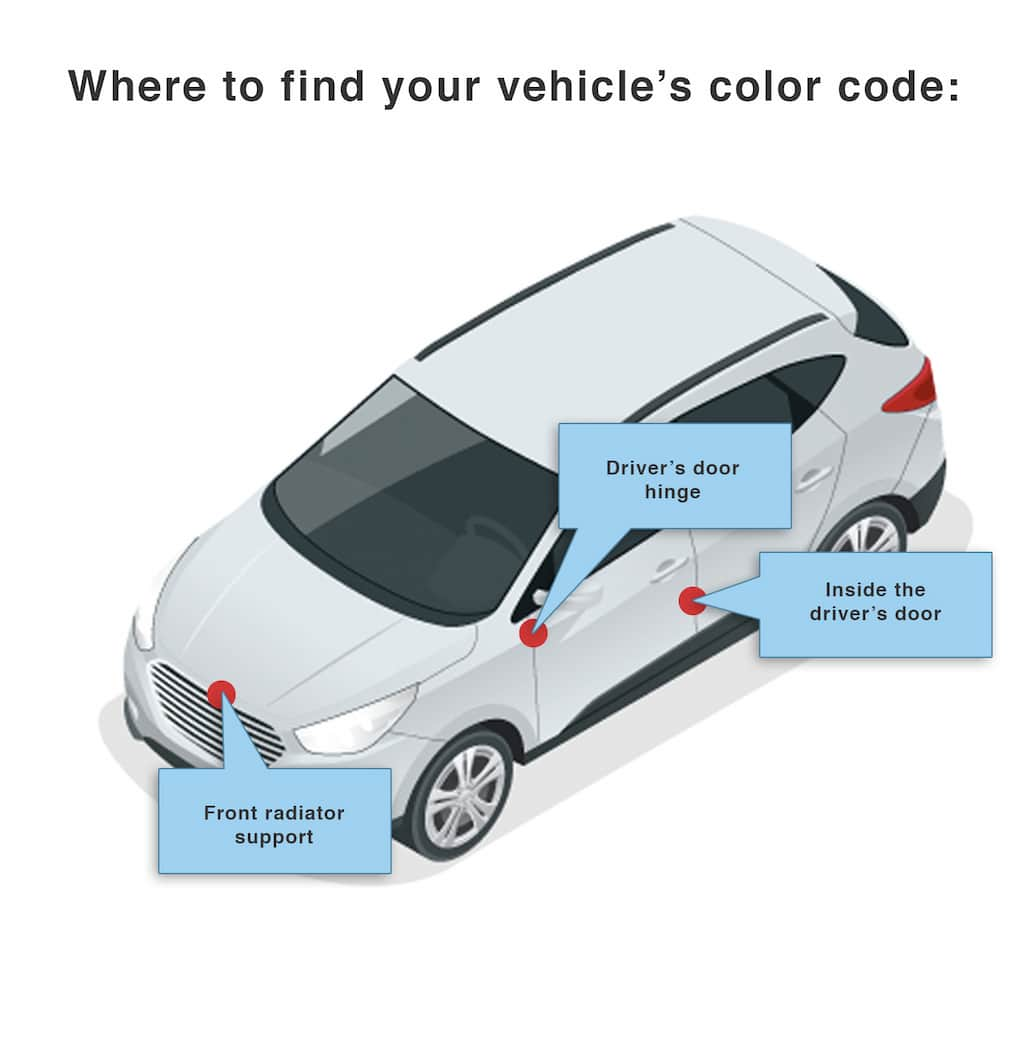
Find Your 1992 Jaguar Paint Code
Jaguar paint color codes are usually on the drivers door jamb. On older Jaguar models, the color code can be ANYWHERE! Under the hood, in the trunk. Typical format: 1957/HGZ, which corresponds to Jaguar Racing Green Pearl. Some Jaguars will have the 1957 code but most will only show the HGZ code. Same color across models may have different names: Racing Clearcoat, Green Performance Clearcoat, etc. It's the same paint!
1992 Jaguar Background Info
Jaguar Models Released in 1992
- All Models (18 colors)