


Chevrolet All Other Models Touch Up Paint (755 OEM Colors)

Search for your All Other Models's color
-

Autumn Bronze Metallic
ChevroletCOLOR CODE2002
(1955) - Autumn Bronze Metallic -

Scarlett Yellow
ChevroletCOLOR CODE2029
(1976) - Scarlett Yellow -

Yellow
ChevroletCOLOR CODE2029
(1979) - Yellow -

Glen Green
ChevroletCOLOR CODE2239
(1958) - Glen Green -

Laurel Green Metallic
ChevroletCOLOR CODE2438 -
Laurel Green Metallic -

Colonial Cream
ChevroletCOLOR CODE2463-
H (1958) - Colonial Cream -

Coronado Yellow
ChevroletCOLOR CODE2464 -
Coronado Yellow -

Canyon Coral
ChevroletCOLOR CODE2465 -
Canyon Coral -

Forest Green Metallic
ChevroletCOLOR CODE2692-
H (1958) - Forest Green Metallic -

Aegean Turquoise Metallic
ChevroletCOLOR CODE2693-
H (1958) - Aegean Turquoise Metallic -

Rio Red
ChevroletCOLOR CODE2698-
H (1958) - Rio Red -

Fathom Blue Metallic
ChevroletCOLOR CODE2699-
H (1958) - Fathom Blue Metallic -

Honey Beige
ChevroletCOLOR CODE2701
(1958) - Honey Beige -

Medium Blue
ChevroletCOLOR CODE2745
(1975) - Medium Blue -

Black (Interior)
ChevroletCOLOR CODE9248 -
Black (Interior) -

Natural
ChevroletCOLOR CODE21054 -
Natural
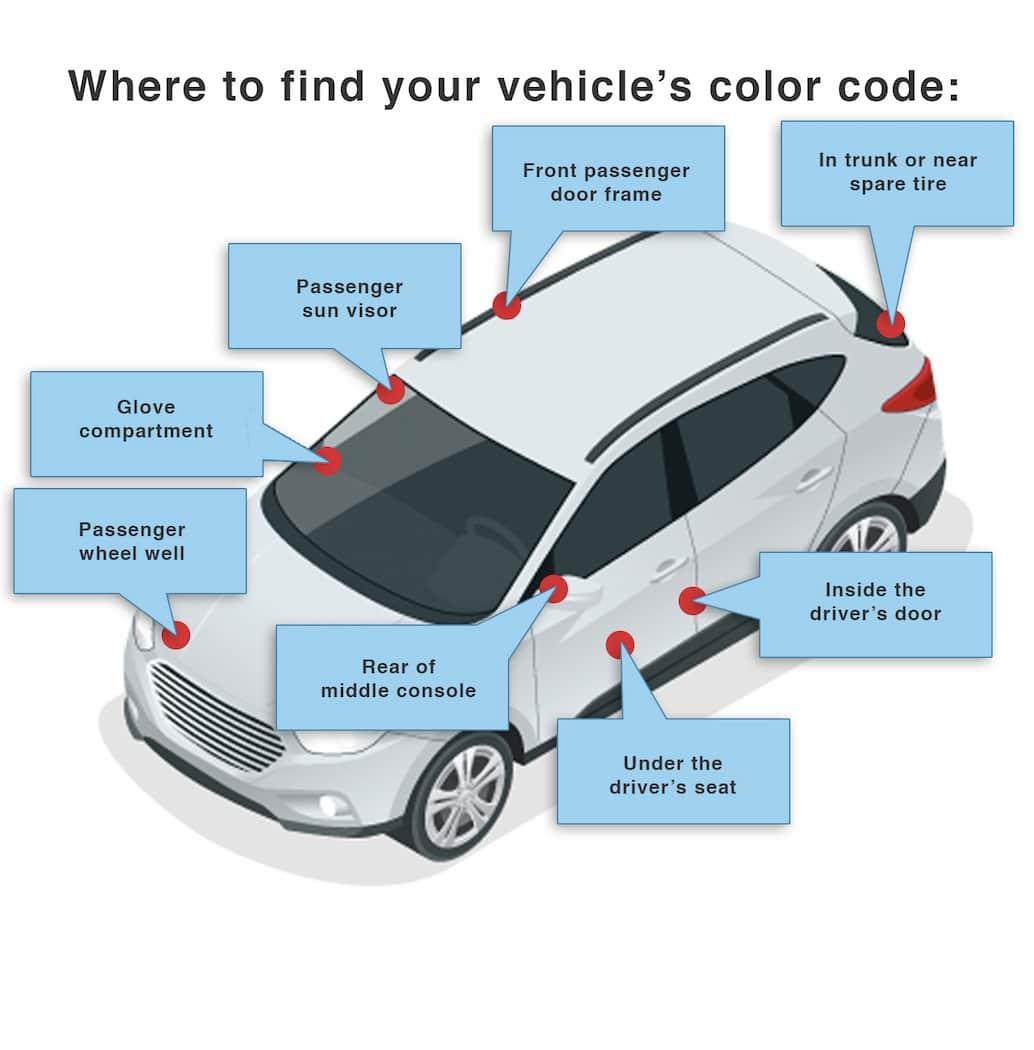
Find Your Chevrolet All Other Models Paint Code
Chevrolet did not make it easy to find the color code. Over the years they used many different locations and did not standardize the color plate, so it can be hard to locate. Usually it is in the glove box or the spare tire well; otherwise, the search may extend everywhere. The typical code is 51/WA316N, usually preceded by BC/CC. Two tone codes can appear as BC/CC U316N or BC/CC L316N (U for Upper, L for Lower).
Chevrolet All Other Models Paint Info
Chevrolet All Other Models Colors by Year
Let us know the year your All Other Models was manufactured. We'll eliminate colors that won't match your vehicle.
- 1997 (1 colors)
- 1996 (42 colors)
- 1995 (44 colors)
- 1994 (37 colors)
- 1993 (46 colors)
- 1992 (46 colors)
- 1991 (52 colors)
- 1990 (47 colors)
- 1989 (48 colors)
- 1988 (57 colors)
- 1987 (34 colors)
- 1986 (36 colors)
- 1985 (32 colors)
- 1984 (32 colors)
- 1983 (31 colors)
- 1982 (21 colors)
- 1981 (27 colors)
- 1980 (25 colors)
- 1979 (24 colors)
- 1978 (23 colors)
- 1977 (29 colors)
- 1976 (21 colors)
- 1975 (27 colors)
- 1974 (22 colors)
- 1973 (25 colors)
- 1972 (24 colors)
- 1971 (21 colors)
- 1970 (25 colors)
- 1969 (20 colors)
- 1968 (18 colors)
- 1966 (17 colors)
- 1965 (23 colors)
- 1964 (17 colors)
- 1962 (15 colors)
- 1961 (16 colors)
- 1960 (13 colors)
- 1959 (14 colors)
- 1958 (16 colors)
- 1957 (29 colors)
- 1955 (19 colors)