


BMW 3.0 Touch Up Paint (44 OEM Colors)

Search for your 3.0's color
-

Bronzit Beige Metallic
BMWCOLOR CODE139 -
Bronzit Beige Metallic 🔥 3 sold recently -

Verona Red (Light)
BMWCOLOR CODE024 -
Verona Red (Light) 🔥 2 sold recently -

Fjord Blue Metallic
BMWCOLOR CODE037 -
Fjord Blue Metallic 🔥 2 sold recently -

Black
BMWCOLOR CODE086 -
Black 🔥 2 sold recently -

Cinnabar
BMWCOLOR CODE138 -
Cinnabar 🔥 2 sold recently -

New Polaris Metallic
BMWCOLOR CODE901/
060 - New Polaris Metallic 🔥 2 sold recently -

Sahara
BMWCOLOR CODE006 -
Sahara 🔥 1 sold recently -
Malaga Red
BMWCOLOR CODE021 -
Malaga Red 🔥 1 sold recently -

Inka (Orange)
BMWCOLOR CODE022 -
Inka (Orange) 🔥 1 sold recently -

Arctic Blue Metallic
BMWCOLOR CODE045 -
Arctic Blue Metallic 🔥 1 sold recently -

New Polaris Metallic
BMWCOLOR CODE060 -
New Polaris Metallic 🔥 1 sold recently -

Golf (Green)
BMWCOLOR CODE070 -
Golf (Green) 🔥 1 sold recently -

Jade Green
BMWCOLOR CODE078 -
Jade Green 🔥 1 sold recently -

Chamonix White
BMWCOLOR CODE085 -
Chamonix White 🔥 1 sold recently -

Graphite Metallic
BMWCOLOR CODE087 -
Graphite Metallic 🔥 1 sold recently -

Alpine White
BMWCOLOR CODE146 -
Alpine White 🔥 1 sold recently
Find Your BMW 3.0 Paint Code
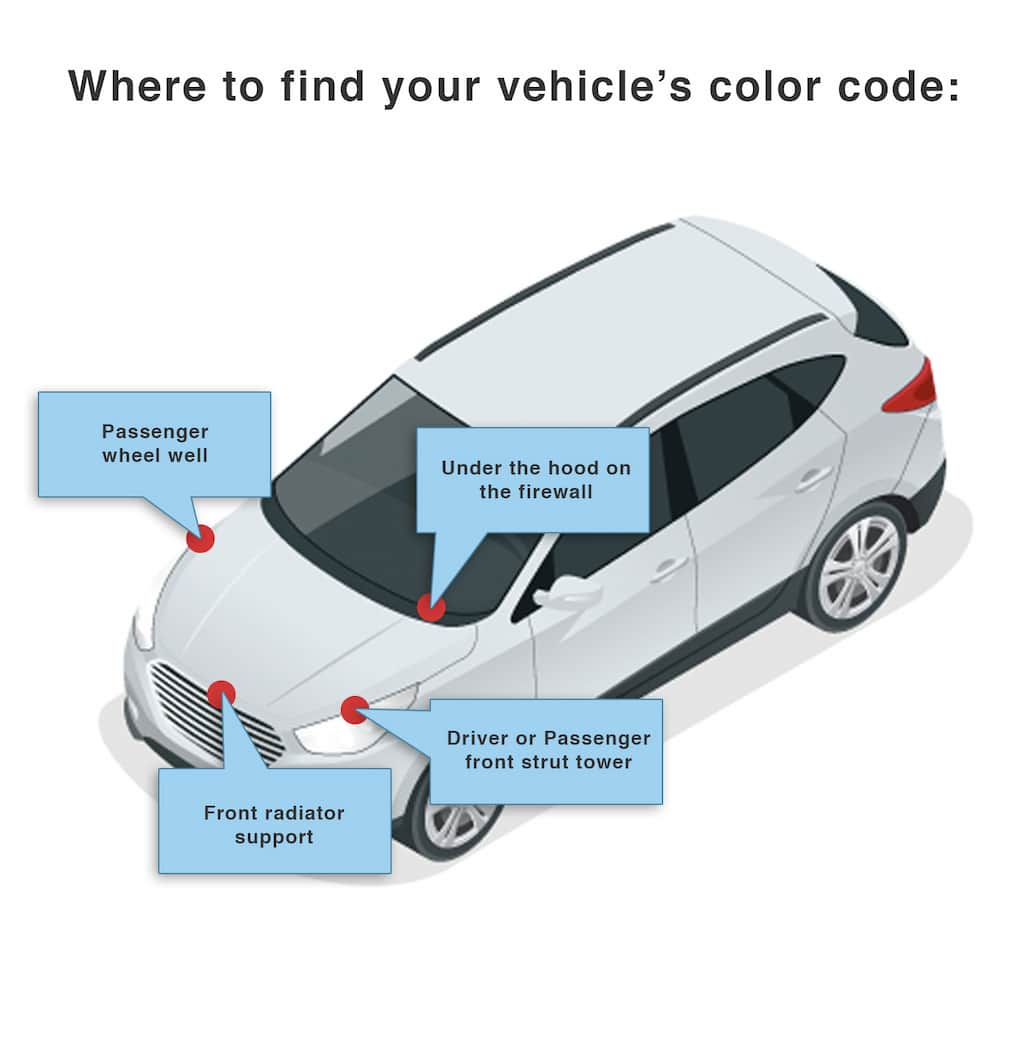
BMW Color Codes are usually found on the Color ID Tag in the driver-side door jamb or B-pillar area. The Color ID Tag is typically a sticker or plate; on some models and years it may be under the hood, sometimes at the back of the engine compartment near the firewall. BMW Color Codes are usually 3 digits, but can also appear as A52 or an older format like 354/7; common examples include 300, 475, A52, or 354/7.
BMW 3.0 Paint Info
BMW 3.0 Colors by Year
Let us know the year your 3.0 was manufactured. We'll eliminate colors that won't match your vehicle.