


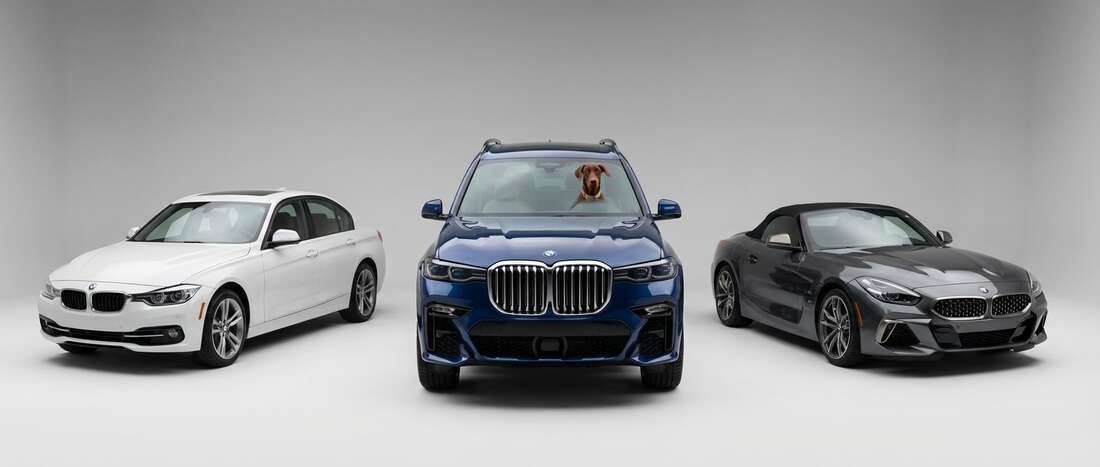
2014 BMW Touch Up Paint (56 OEM Colors)
Search for your color
-

Deep Sea Blue Pearl
BMWCOLOR CODEA76 -
Deep Sea Blue Pearl 🔥 3 sold recently -

San Marino Blue Metallic
BMWCOLOR CODEB51 -
San Marino Blue Metallic 🔥 3 sold recently -

Azurite Black Metallic
BMWCOLOR CODES34 -
Azurite Black Metallic 🔥 3 sold recently -

Imola Red II
BMWCOLOR CODE405 -
Imola Red II 🔥 2 sold recently -

Mineral Silver Metallic
BMWCOLOR CODEA14 -
Mineral Silver Metallic 🔥 2 sold recently -

Silver Stone II Metallic
BMWCOLOR CODEA29 -
Silver Stone II Metallic 🔥 2 sold recently -

Cashmere Silver Metallic
BMWCOLOR CODEA72 -
Cashmere Silver Metallic 🔥 2 sold recently -

Vermillion Red Metallic
BMWCOLOR CODEA82 -
Vermillion Red Metallic 🔥 2 sold recently -

Singapore Gray Metallic
BMWCOLOR CODEB41 -
Singapore Gray Metallic 🔥 2 sold recently -

Sakhir Orange Metallic
BMWCOLOR CODEB50 -
Sakhir Orange Metallic 🔥 2 sold recently -

Alpina Blue Metallic
BMWCOLOR CODEX06 -
Alpina Blue Metallic 🔥 2 sold recently -

Blue Water Metallic
BMWCOLOR CODE896 -
Blue Water Metallic 🔥 1 sold recently -

Dark Gray (matt Dupont P2279)
BMWCOLOR CODE7172 -
Dark Gray (matt Dupont P2279) 🔥 1 sold recently -

Havanna Metallic
BMWCOLOR CODEA17 -
Havanna Metallic 🔥 1 sold recently -

Orion Silver Metallic
BMWCOLOR CODEA92 -
Orion Silver Metallic 🔥 1 sold recently -

Monte Carlo Blue Metallic
BMWCOLOR CODEB05 -
Monte Carlo Blue Metallic 🔥 1 sold recently

For small chips & scratches
Customized Color Paint Pen
Repair tiny chips and scratches with precision. Perfect for small nicks from rocks or door dings, the fine tip applicator makes it easy for beginners to achieve a clean, factory-quality finish.

For Medium-sized Chips & Scratches
Customized Color Paint Bottle
Tackle medium-sized scratches and chips with our Customized Color Paint Bottle. The built-in applicator brush provides smooth, controlled coverage, while the included basecoat delivers a perfect factory match in your custom paint color.

For larger areas & panel resprays
Customized Color Spray Can
Cover larger areas with a smooth, professional finish using ourcustomized color Spray Can. Designed for hoods, fenders, and larger scratches, this product provides consistent spray coverage and factory-matched color accuracy.

For large repairs & total resprays
Customized Color Professional Size Paint
When your repair job calls for more than a touch-up, step up to our professional-size automotive paints. Available in Pint, Quart, or Gallon sizes, these paints are ready-to-spray using an airless spray gun.

For small chips & scratches
Customized Color Tricoat Paint Pens
Repair tiny chips and scratches with precision. Perfect for small nicks from rocks or door dings, the fine tip applicator makes it easy for beginners to achieve a clean, factory-quality finish. Each order includes a basecoat and a midcoat pen.

For Medium-sized Chips & Scratches
Customized Color Tricoat Paint Bottles
Tackle medium-sized scratches and chips with our Customized Color Paint Bottles. The built-in applicator brush provides smooth, controlled coverage, while the basecoat & midcoat deliver a perfect factory match in your custom paint color.

For larger areas & panel resprays
Customized Color Tricoat Spray Cans
Cover larger areas with a smooth, professional finish using our customized color basecoat & midcoat Spray Cans. Designed for hoods, fenders, and larger scratches, this product provides consistent spray coverage and factory-matched color accuracy.
For large repairs & total resprays
Customized Color Tricoat Professional Size Paint
When your repair job calls for more than a touch-up, step up to our professional-size automotive paints. Available in Pint, Quart, or Gallon sizes, these paints are ready-to-spray using an airless spray gun. Each order includes a basecoat & a midcoat paint.
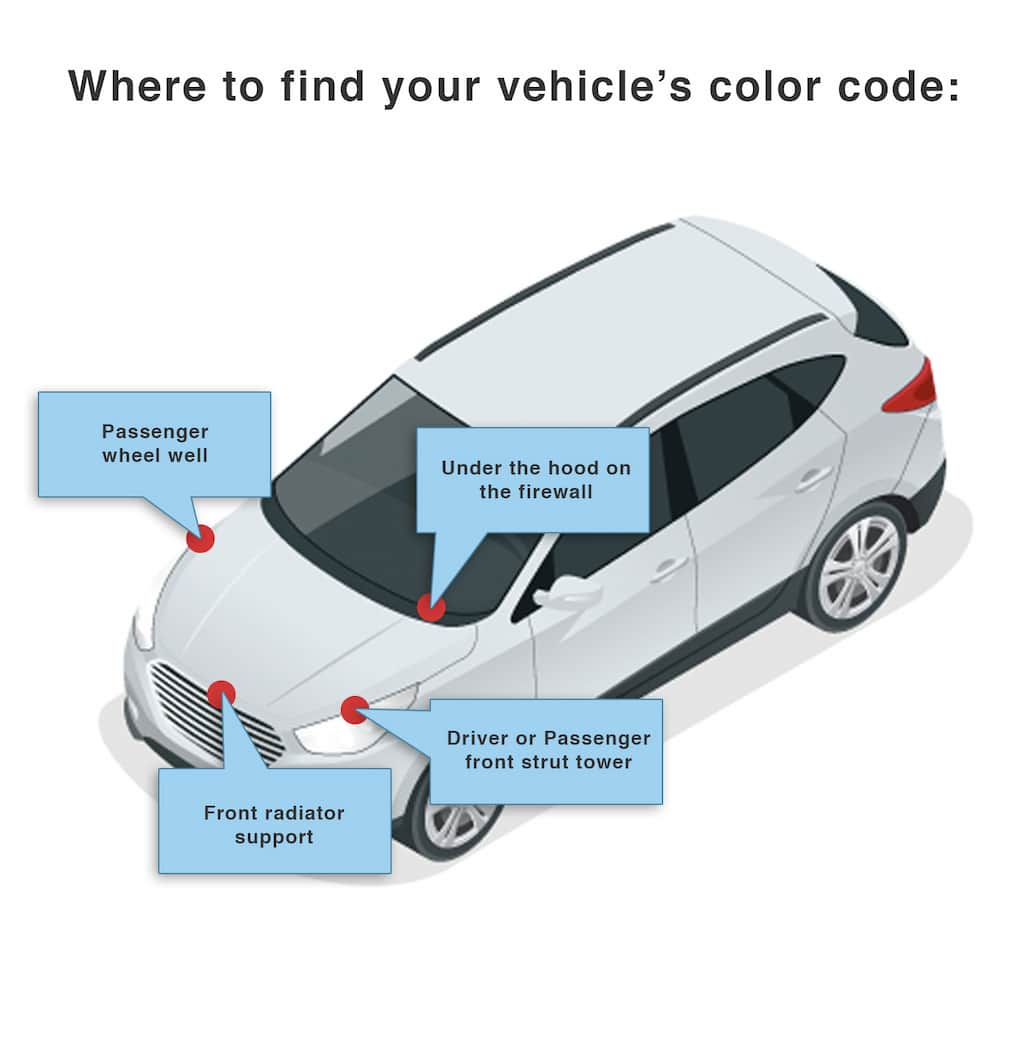
Find Your 2014 BMW Paint Code
BMW Color Codes are usually found on the Color ID Tag in the driver-side door jamb or B-pillar area. The Color ID Tag is typically a sticker or plate; on some models and years it may be under the hood, sometimes at the back of the engine compartment near the firewall. BMW Color Codes are usually 3 digits, but can also appear as A52 or an older format like 354/7; common examples include 300, 475, A52, or 354/7.