


1998 American-Coach Touch Up Paint (8 OEM Colors)
Search for your color
-
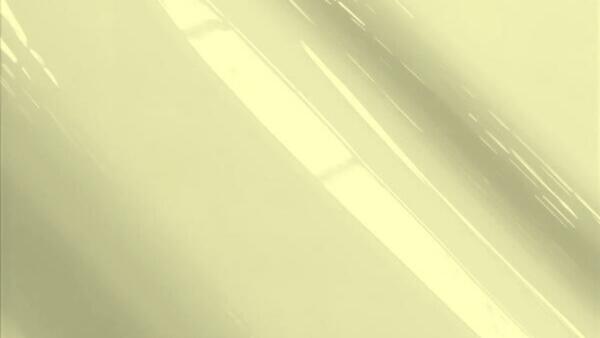
Cashmere Beige (G9562K)
American-CoachCOLOR CODE54671 -
Cashmere Beige (G9562K) 🔥 3 sold recently -

Odsidian Black Metallic (745478K)
American-CoachCOLOR CODE56680 -
Odsidian Black Metallic (745478K) 🔥 2 sold recently -

Smoke Metallic (745474K)
American-CoachCOLOR CODE49625 -
Smoke Metallic (745474K) 🔥 1 sold recently -
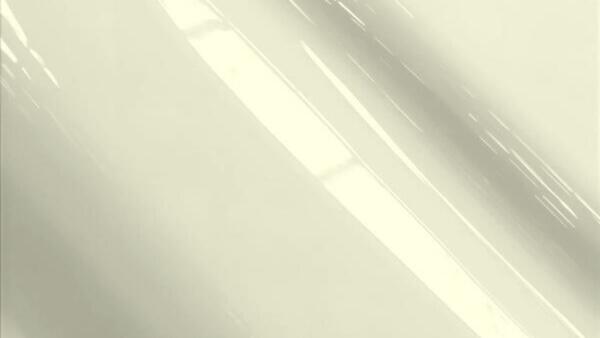
Elegant Beige (G9574K)
American-CoachCOLOR CODE51477 -
Elegant Beige (G9574K) 🔥 1 sold recently -
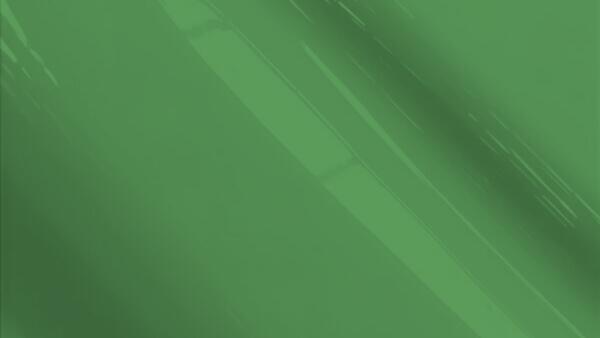
Med.Fern (748531K)
American-CoachCOLOR CODE54682 -
Med. Fern (748531K) 🔥 1 sold recently -

Parchment Gold (748536K)
American-CoachCOLOR CODE57338 -
Parchment Gold (748536K) 🔥 1 sold recently -
Grey Bronze Metallic (745502K)
American-CoachCOLOR CODE57451 -
Grey Bronze Metallic (745502K) 🔥 1 sold recently -
Bright Silver Metallic (745479K)
American-CoachCOLOR CODE58829 -
Bright Silver Metallic (745479K) 🔥 1 sold recently

For small chips & scratches
Customized Color Paint Pen
Repair tiny chips and scratches with precision. Perfect for small nicks from rocks or door dings, the fine tip applicator makes it easy for beginners to achieve a clean, factory-quality finish.

For Medium-sized Chips & Scratches
Customized Color Paint Bottle
Tackle medium-sized scratches and chips with our Customized Color Paint Bottle. The built-in applicator brush provides smooth, controlled coverage, while the included basecoat is mixed to the factory paint code you order.

For larger areas & panel resprays
Customized Color Spray Can
Cover larger areas with a smooth, professional finish using ourcustomized color Spray Can. Designed for hoods, fenders, and larger scratches, this product provides consistent spray coverage and factory-matched color accuracy.

For large repairs & total resprays
Customized Color Professional Size Paint
When your repair job calls for more than a touch-up, step up to our professional-size automotive paints. Available in Pint, Quart, or Gallon sizes, these paints are ready-to-spray using an airless spray gun.

For small chips & scratches
Customized Color Tricoat Paint Pens
Repair tiny chips and scratches with precision. Perfect for small nicks from rocks or door dings, the fine tip applicator makes it easy for beginners to achieve a clean, factory-quality finish. Each order includes a basecoat and a midcoat pen.

For Medium-sized Chips & Scratches
Customized Color Tricoat Paint Bottles
Tackle medium-sized scratches and chips with our Customized Color Paint Bottles. The built-in applicator brush provides smooth, controlled coverage, while the basecoat & midcoat are mixed to the factory paint code you order.

For larger areas & panel resprays
Customized Color Tricoat Spray Cans
Cover larger areas with a smooth, professional finish using our customized color basecoat & midcoat Spray Cans. Designed for hoods, fenders, and larger scratches, this product provides consistent spray coverage and factory-matched color accuracy.
For large repairs & total resprays
Customized Color Tricoat Professional Size Paint
When your repair job calls for more than a touch-up, step up to our professional-size automotive paints. Available in Pint, Quart, or Gallon sizes, these paints are ready-to-spray using an airless spray gun. Each order includes a basecoat & a midcoat paint.
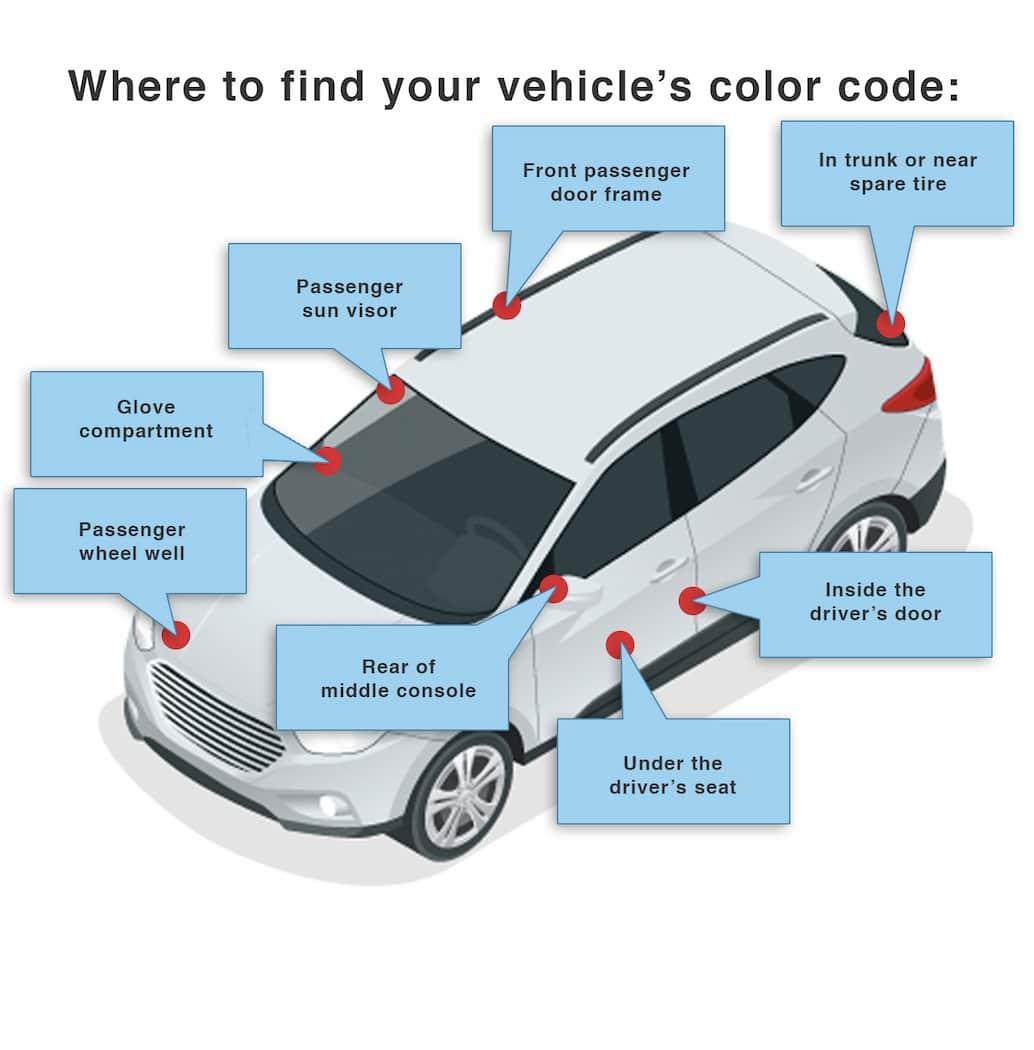
Find Your 1998 American-Coach Paint Code
American-Coach can determine the paint color code when contacted. If no color code exists, the fallback is the PPG or Dupont (Axalta) paint formula number.
1998 American-Coach Background Info
American-Coach Models Released in 1998
- All Models (8 colors)