



1980 Alfa-Romeo Touch Up Paint (11 OEM Colors)
Search for your color
-

Alfa Red
Alfa-RomeoCOLOR CODEAR501 -
Alfa Red 🔥 1 sold recently -

Signal Red
Alfa-RomeoCOLOR CODEAR514/
304 - Signal Red 🔥 1 sold recently -

China White
Alfa-RomeoCOLOR CODEAR008 -
China White -
Chalk White
Alfa-RomeoCOLOR CODEAR015 -
Chalk White -

Straw
Alfa-RomeoCOLOR CODEAR103 -
Straw -

English Racing Green
Alfa-RomeoCOLOR CODEAR219 -
English Racing Green -

Navy Blue
Alfa-RomeoCOLOR CODEAR343 -
Navy Blue -

Ruby Red Metallic
Alfa-RomeoCOLOR CODEAR534 -
Ruby Red Metallic -

Silver Metallic
Alfa-RomeoCOLOR CODEAR751 -
Silver Metallic -

Chocolate Brown
Alfa-RomeoCOLOR CODEAR836 -
Chocolate Brown -

Black
Alfa-RomeoCOLOR CODEAR901 -
Black

For small chips & scratches
Customized Color Paint Pen
Repair tiny chips and scratches with precision. Perfect for small nicks from rocks or door dings, the fine tip applicator makes it easy for beginners to achieve a clean, factory-quality finish.

For Medium-sized Chips & Scratches
Customized Color Paint Bottle
Tackle medium-sized scratches and chips with our Customized Color Paint Bottle. The built-in applicator brush provides smooth, controlled coverage, while the included basecoat delivers a perfect factory match in your custom paint color.

For larger areas & panel resprays
Customized Color Spray Can
Cover larger areas with a smooth, professional finish using ourcustomized color Spray Can. Designed for hoods, fenders, and larger scratches, this product provides consistent spray coverage and factory-matched color accuracy.

For large repairs & total resprays
Customized Color Professional Size Paint
When your repair job calls for more than a touch-up, step up to our professional-size automotive paints. Available in Pint, Quart, or Gallon sizes, these paints are ready-to-spray using an airless spray gun.

For small chips & scratches
Customized Color Tricoat Paint Pens
Repair tiny chips and scratches with precision. Perfect for small nicks from rocks or door dings, the fine tip applicator makes it easy for beginners to achieve a clean, factory-quality finish. Each order includes a basecoat and a midcoat pen.

For Medium-sized Chips & Scratches
Customized Color Tricoat Paint Bottles
Tackle medium-sized scratches and chips with our Customized Color Paint Bottles. The built-in applicator brush provides smooth, controlled coverage, while the basecoat & midcoat deliver a perfect factory match in your custom paint color.

For larger areas & panel resprays
Customized Color Tricoat Spray Cans
Cover larger areas with a smooth, professional finish using our customized color basecoat & midcoat Spray Cans. Designed for hoods, fenders, and larger scratches, this product provides consistent spray coverage and factory-matched color accuracy.
For large repairs & total resprays
Customized Color Tricoat Professional Size Paint
When your repair job calls for more than a touch-up, step up to our professional-size automotive paints. Available in Pint, Quart, or Gallon sizes, these paints are ready-to-spray using an airless spray gun. Each order includes a basecoat & a midcoat paint.
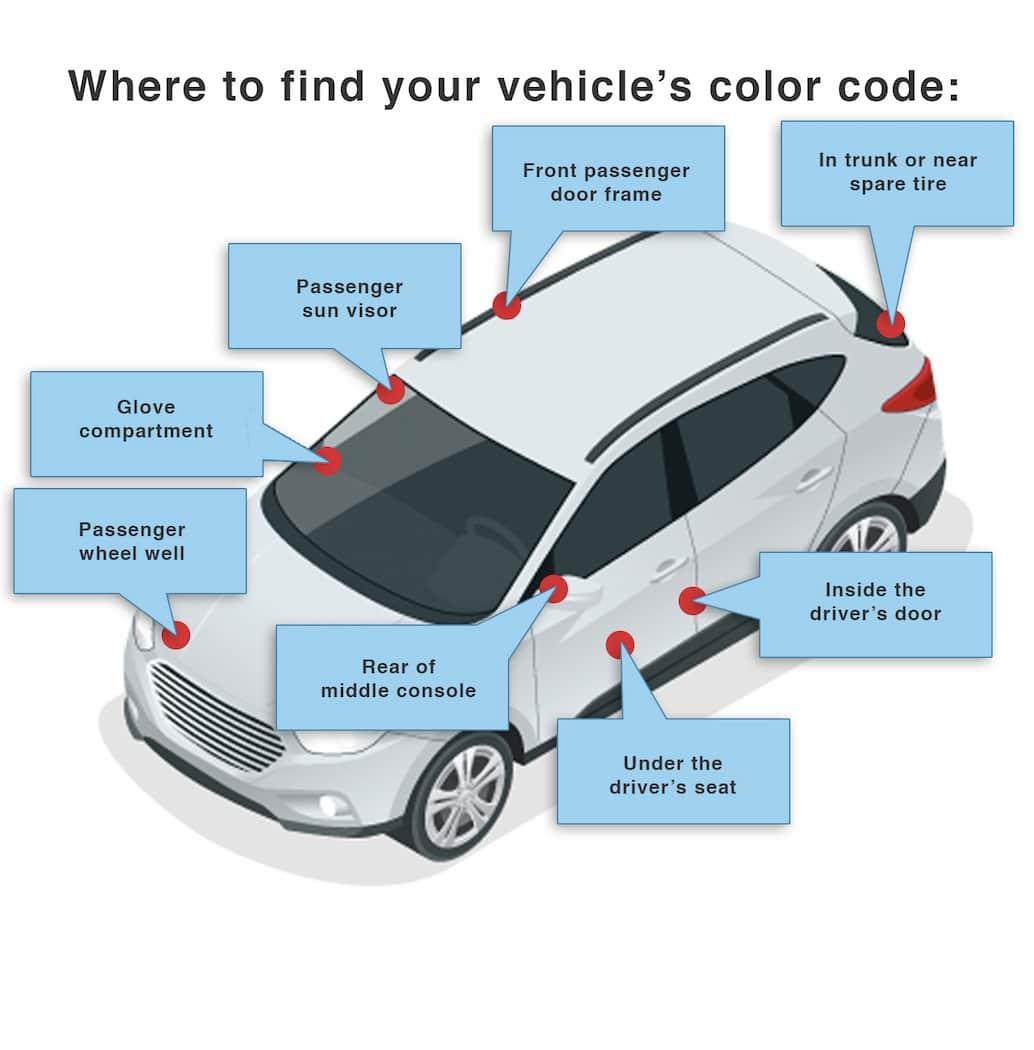
Find Your 1980 Alfa-Romeo Paint Code
The Alfa-Romeo paint color code can be found on the trunk lid, inside the spare tire compartment, or in the rear storage area. If not found, Alfa-Romeo can be contacted to determine the color code. If there is no color code, the PPG or Dupont (Axalta) paint formula number can be requested.
1980 Alfa-Romeo Background Info
Alfa-Romeo Models Released in 1980
- All Models (11 colors)