


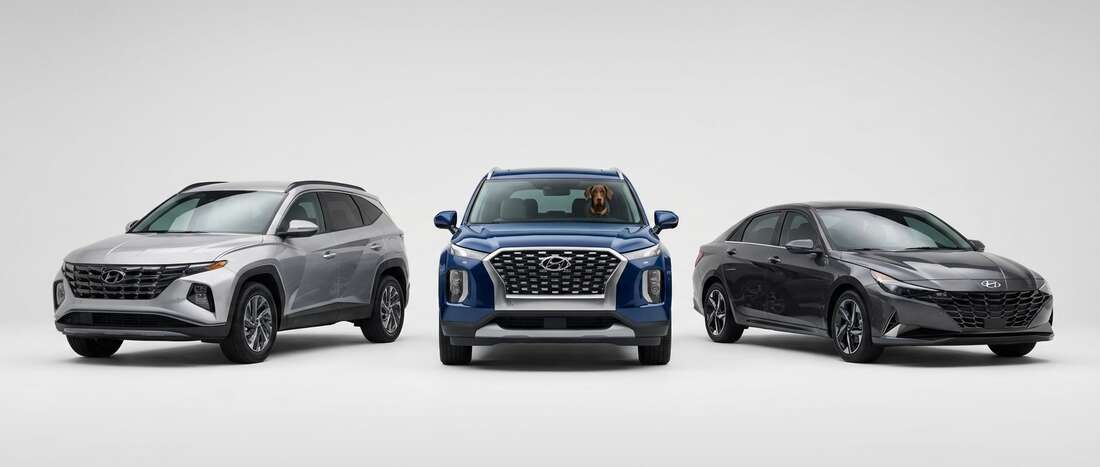
2000 Hyundai Touch Up Paint (28 OEM Colors)
Search for your color
-
Noble White
HyundaiCOLOR CODENW -
Noble White 🔥 2 sold recently -

White Pearl Tricoat
HyundaiCOLOR CODEMO -
White Pearl Tricoat 🔥 1 sold recently -
Canton Cherry Pearl
HyundaiCOLOR CODEAR -
Canton Cherry Pearl -
Bright Silver Metallic
HyundaiCOLOR CODEBX -
Bright Silver Metallic -

Prime Green Pearl
HyundaiCOLOR CODEBY -
Prime Green Pearl -
Glacier Silver Metallic
HyundaiCOLOR CODECS -
Glacier Silver Metallic -

Napoli Blue Pearl
HyundaiCOLOR CODEEA -
Napoli Blue Pearl -

Ebony Black
HyundaiCOLOR CODEEB -
Ebony Black -

Forest Green Metallic
HyundaiCOLOR CODEGG -
Forest Green Metallic -

Bright Red
HyundaiCOLOR CODEHL -
Bright Red -

Jazz Orange Pearl
HyundaiCOLOR CODEJG -
Jazz Orange Pearl -
Light Green Metallic
HyundaiCOLOR CODEJZ -
Light Green Metallic -

Forest Green Pearl
HyundaiCOLOR CODEKJ -
Forest Green Pearl -

Cobalt Blue Pearl
HyundaiCOLOR CODELE -
Cobalt Blue Pearl -

Black (trim)
HyundaiCOLOR CODELK -
Black (trim) -

Slate Grey Metallic
HyundaiCOLOR CODEMN -
Slate Grey Metallic

For small chips & scratches
Customized Color Paint Pen
Repair tiny chips and scratches with precision. Perfect for small nicks from rocks or door dings, the fine tip applicator makes it easy for beginners to achieve a clean, factory-quality finish.

For Medium-sized Chips & Scratches
Customized Color Paint Bottle
Tackle medium-sized scratches and chips with our Customized Color Paint Bottle. The built-in applicator brush provides smooth, controlled coverage, while the included basecoat delivers a perfect factory match in your custom paint color.

For larger areas & panel resprays
Customized Color Spray Can
Cover larger areas with a smooth, professional finish using ourcustomized color Spray Can. Designed for hoods, fenders, and larger scratches, this product provides consistent spray coverage and factory-matched color accuracy.

For large repairs & total resprays
Customized Color Professional Size Paint
When your repair job calls for more than a touch-up, step up to our professional-size automotive paints. Available in Pint, Quart, or Gallon sizes, these paints are ready-to-spray using an airless spray gun.

For small chips & scratches
Customized Color Tricoat Paint Pens
Repair tiny chips and scratches with precision. Perfect for small nicks from rocks or door dings, the fine tip applicator makes it easy for beginners to achieve a clean, factory-quality finish. Each order includes a basecoat and a midcoat pen.

For Medium-sized Chips & Scratches
Customized Color Tricoat Paint Bottles
Tackle medium-sized scratches and chips with our Customized Color Paint Bottles. The built-in applicator brush provides smooth, controlled coverage, while the basecoat & midcoat deliver a perfect factory match in your custom paint color.

For larger areas & panel resprays
Customized Color Tricoat Spray Cans
Cover larger areas with a smooth, professional finish using our customized color basecoat & midcoat Spray Cans. Designed for hoods, fenders, and larger scratches, this product provides consistent spray coverage and factory-matched color accuracy.
For large repairs & total resprays
Customized Color Tricoat Professional Size Paint
When your repair job calls for more than a touch-up, step up to our professional-size automotive paints. Available in Pint, Quart, or Gallon sizes, these paints are ready-to-spray using an airless spray gun. Each order includes a basecoat & a midcoat paint.
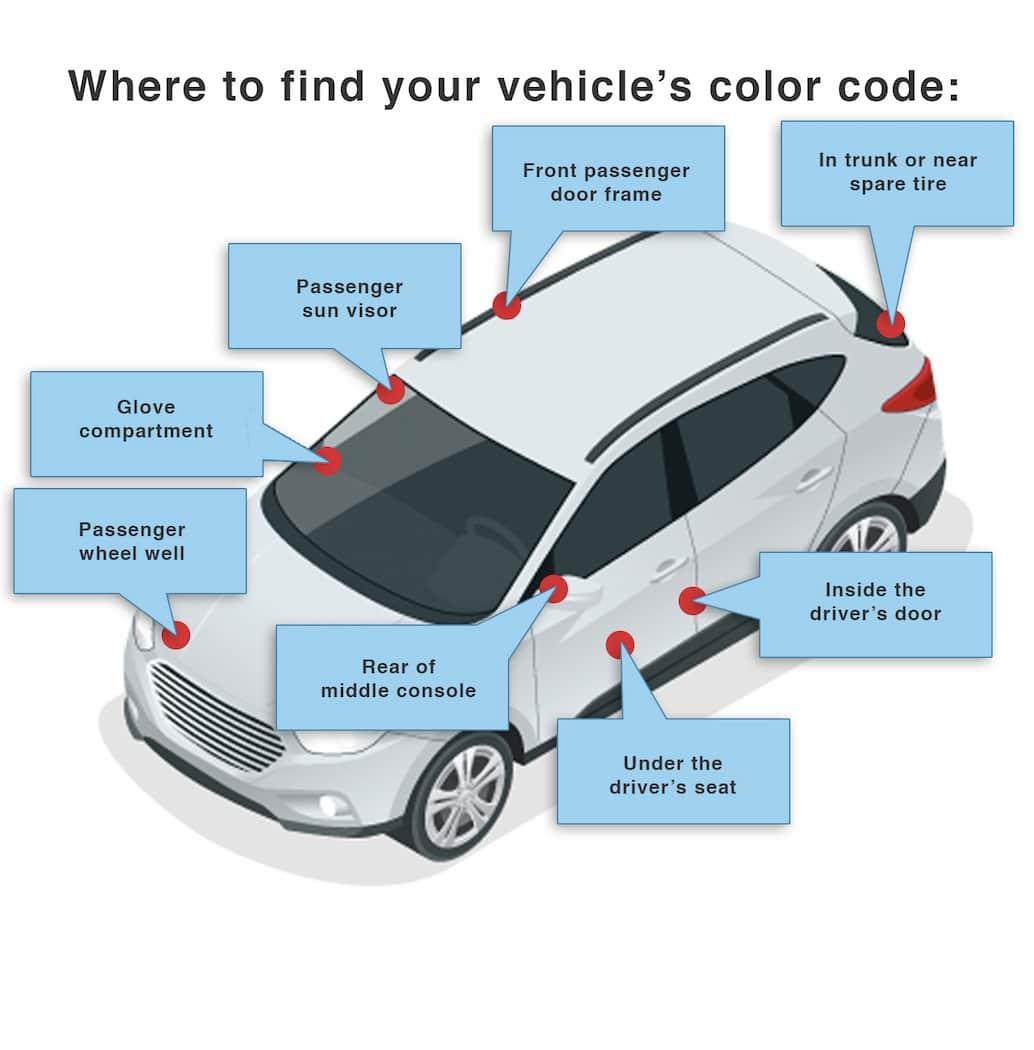
Find Your 2000 Hyundai Paint Code
Hyundai paint codes are normally on the drivers door jamb; some models hide the color code in the engine compartment. Typical format: 3E which corresponds to: Blue Onyx Metallic Clearcoat. Some later Hyundais use a three character code. A paint can be S3; this is actually the same as S3B. Same color code, different name: the same paint may be used across models, e.g., 3E as Blue Onyx Metallic Clearcoat, Blue Clearcoat, or Ocean Blue Clearcoat.
2000 Hyundai Background Info
Hyundai Models Released in 2000
- Accent-Brio (12 colors)
- Elantra (9 colors)
- Sonata (12 colors)
- Tiburon (12 colors)